Episode Transcript
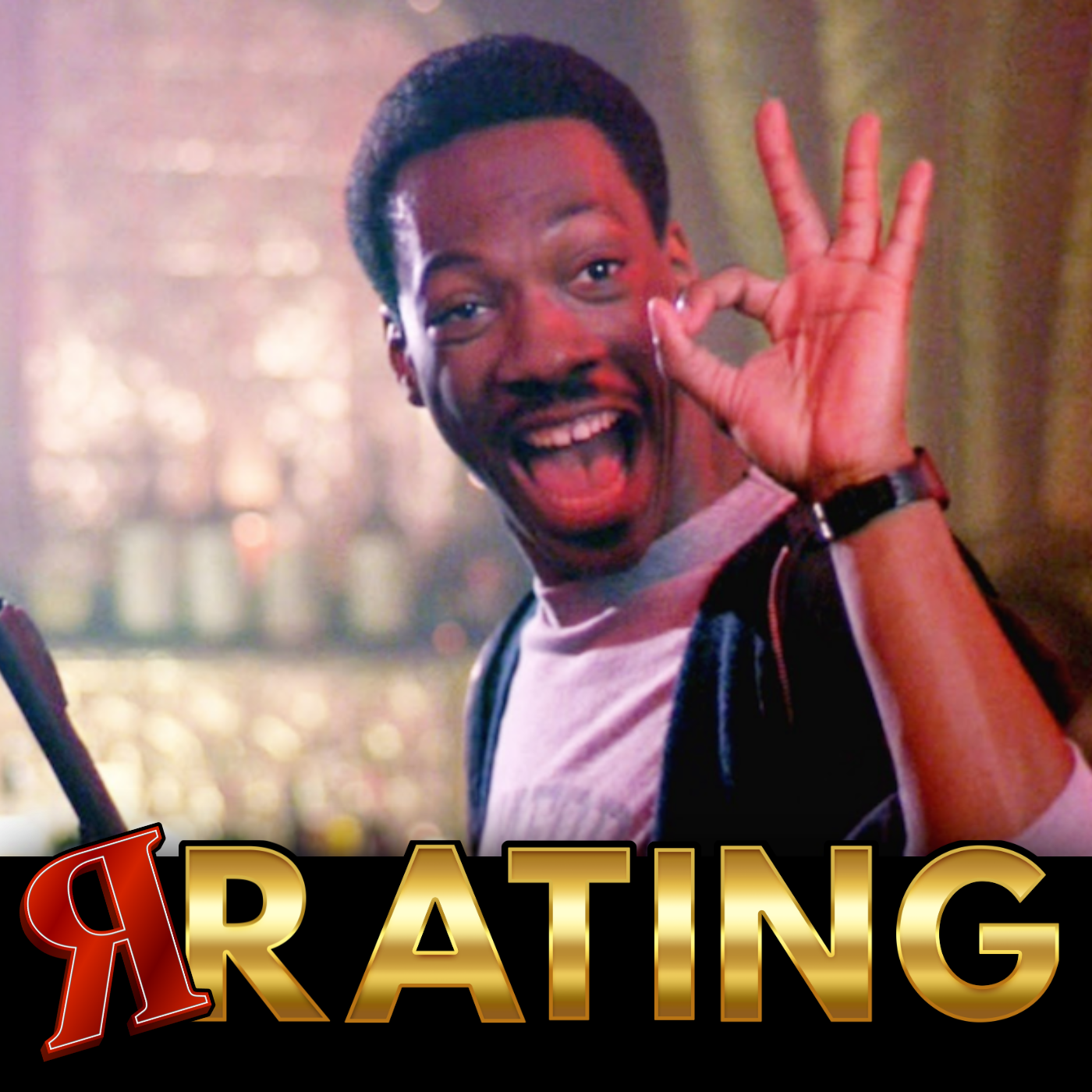
[00:00:00] Speaker A: Beverly Hills Cop, 1984. Foley, a rough and tumble cop from Detroit, makes his way to Beverly Hills to investigate his friend's murder. Between butting heads with the prim and proper police of Beverly Hills and uncovering a well hidden criminal organization, Foley must get creative to solve the case.
[00:00:30] Speaker B: Hello everybody and welcome back to our rating the show where I get together with two of my friends, we take a movie franchise, break it down by a movie, give it an overall score, throw it up on the board and see how it compares to the other movie franchises. Today, as always, I'm joined by Will and Brian. Brian, how are you doing today?
[00:00:46] Speaker C: I'm just singing the neutron, doing the neutron dance. That's what I'm doing.
Burning and doing a neutron dance.
[00:00:56] Speaker B: Very nice, very nice. How are you, Will?
[00:00:58] Speaker A: I'm also loving the music in this movie. I live for it. 80s music. Come on, you can't get better than that in an action movie.
[00:01:07] Speaker B: Yeah, I mean, good place to start as any. I, I'll agree. I'm not a huge fan of 80s music. And like the very first tune or two, I was kind of like. But like the theme song for this movie is so good. They played a lot in this movie. I'll get played a lot, but I really, really like it. It's a classic. Like it's not only, you know, been redone a couple of times in pop culture, but it's also just a fun song on its own. What do you think?
[00:01:32] Speaker A: Yeah, go ahead.
[00:01:33] Speaker B: No, I was just gonna throw it to Brian, but if you got something to say, go for it.
[00:01:36] Speaker A: I was just gonna agree with you. I think just the music in this just kind of gets you in the mood. It's like upbeat throughout most of the movie and you're just like, you're just like cruising along in this, in this action movie, having fun and it's like light hearted music adds to like the comedic feel. It's, it's well, well placed.
[00:01:53] Speaker C: The, the, the movie's theme song. They do play it too much. By the end of the movie, I was like, okay, I'm actually getting sick of hearing this. However, every other song in the movie gets me hyped. I mean, and they have these wonderful shots where they're like just like rolling through Detroit, just showing the culture, the people in Detroit. And then they contrast that later by doing the same thing in Beverly Hills. And, and they've got these different songs that they're playing and those songs are amazing. I really liked it.
[00:02:22] Speaker A: I like that in general in this movie, the Contrast between the Detroit rundown city, little harder, more gritty and then the Beverly Hills uppity kind of snobbish ways too fancy for their own good and they lack experience because Detroit, you're kind of living in it.
And I really like how they kind of paralleled those or contrasted them I guess throughout the movie. I thought it was really fun.
[00:02:50] Speaker B: Now correct me if I'm wrong, I was paying attention to that kind of. Halfway through there's a lot of drastic changes between Detroit and California. Shocking, I know. And we see him driving around in this beat up car. He's wearing like a ripped, like a self ripped but like a ripped sweater T shirt. Something most of the movie but like it never really comes up, does it? Like other than like he has a look on his face when they tell him how expensive the hotel is going to be. But like he never runs into a problem where he can't afford something he's buying like room service for the cops in the car. Like there's no actual scene or like he's never punished for being poor. Right. Like it's just kind of one of those like look how bad his car is want. But he still stays at the ridiculous hotel. He's still eating food constantly. Like we didn't really see that be a factor in this movie.
[00:03:38] Speaker C: But he's also getting out of the pro. Like he's finagling his way. He never pays for the room, you know, but I, I, I had a feeling like if the police department didn't pay for it in the end, I think he was going to come up with some clever way of making somebody else pay for it. You know, put it on the villain's credit card or whatever.
[00:03:57] Speaker A: I, I was more of the thought that you know, he was investigating his buddy's murder. It didn't matter the cost. If he goes huge into debt for it, that's just the way it's going to be because he's a good person who's going to solve this case kind of thing, right? Yeah, but you're not wrong. He probably would have finagled the price down in some way or another because he kind of does that throughout. We kind of see his for sure finesse for that kind of thing.
[00:04:23] Speaker B: I was expecting to play some portion, some, some portion of the plot whatsoever.
[00:04:28] Speaker A: Right.
[00:04:28] Speaker B: Like even the car being broke down. Like other than the one throwaway line to the, the maitre d or whatever. The, the valet, sorry, I'm at the valet. Where he's just like, oh, park it somewhere nice this happened to it last time, which was a pretty decent line, but, like, that's the only time they even really reference. Oh, no, he talks to his girlfriend. Yeah.
[00:04:45] Speaker C: Driving the same Nova.
[00:04:47] Speaker A: I don't know if there was a romantic connection there, but. Yes.
[00:04:49] Speaker B: Well, sure, sure. His friend, who was a girl.
[00:04:51] Speaker A: Thank you.
[00:04:54] Speaker C: And I. I liked that. There was no chemistry, no romance there. They were old friends, and she happened to be a female. And I thought that was cool. This movie was kind of refreshing in that it didn't fall into old tropes. It did things just smoothly and it went along and. And it was. It was just easy to enjoy and there wasn't any kind of old cliches or anything. So I. I enjoyed that. I'm glad that he didn't have, you know, has to rescue the girl at the end. In fact, the way that he rescued the girl at the end was actually the. The chief of police or whatever teaming up with him to shoot the bad guy. It was, you know, it was very unique in the way that they handled some of those situations, and I was glad that they did that.
[00:05:34] Speaker B: Yeah, I would agree with that. Yeah.
[00:05:35] Speaker A: I mean, saying that it's not like she was the greatest character written for a female, unfortunately, she was kind of just used as a damsel in the end.
[00:05:44] Speaker C: And none of the characters had a lot of depth, in my opinion.
[00:05:46] Speaker B: Yeah.
[00:05:47] Speaker A: A key to get into the warehouses and such. But you're right, not a lot of characters had the depth. It was more about an act. This is an action comedy. One of the first, I think, like, big action comedies that kind of threw that genre into the mix.
You know, there's other. Obviously Ghostbusters came out the same year, things like that, but kind of buddy cop action comedies is one of the bigger ones, I think, of its time.
[00:06:10] Speaker B: Ghostbusters the next year. Is it not 84 to Ghostbusters? 85.
[00:06:15] Speaker A: Oh, maybe it was 85. They're very similar. All I know is. All I know is he was supposed to be in Ghostbusters and couldn't because he was filming. He decided to accept this as a lead actor. Right.
[00:06:25] Speaker B: Gotcha.
[00:06:25] Speaker C: And honestly, I think it was a good choice. I think this movie worked well with him.
[00:06:29] Speaker A: He.
[00:06:29] Speaker C: He played a refreshingly different version of the cop in it, and I enjoyed watching him. It felt very fluid and like, I don't know if. If he was completely scripted or if they let him off a chain a bit for this. It sure felt like they did, I can tell you. Well, let's. Let's hear It Will's always got the background information for us. Yeah, yeah.
[00:06:51] Speaker A: He kind of ad libbed throughout the entire movie.
Just kind of, you know, he's a stand up comedian, he's quick witted. So there was a formally written script, but they were constantly changing that script as Eddie Murphy kind of ad libbed throughout scenes, made up scenes as he went, things like that. And so a lot of times actors wouldn't get their lines until like an hour before the scene was being shot just because they had to tweak the script from previous recordings that Eddie Murphy maybe changed the thing, change the lines on.
[00:07:24] Speaker B: Yeah, if I had to guess, I would have assumed that most of this movie did have a script. But those times where he is just talking impossibly fast, you almost. It's almost like Robin Williams, like there's no way he's got a script for that. That is just him off the cuff saying whatever makes sense to him or whatever he thinks is gonna be funny at the time. And everybody else has to kind of like keep up or play along. I don't know how well you could. Maybe they have some idea where he's going with what he's about to say. But most of what he has to say I have to assume at that speed is just free flowing.
[00:07:51] Speaker A: Tell me something, fella. What's going on? Shit, I've been here too long. Talk to me. Just give us a minute, okay? No, I ain't got no more minutes.
[00:07:57] Speaker B: Here, check this out.
[00:07:57] Speaker C: I want you to see something.
[00:07:58] Speaker A: You can't get no cleaning. Look here.
[00:08:00] Speaker B: He's a very popular cigarette with the children. You know what this is in here? You know what this is?
[00:08:03] Speaker A: It's a federal tax stamp. You can't beat that. You can't get no cleaning in that. Yeah, and there was a lot of times where they had to retake shoots because, you know, cast and crew were breaking up from what he was saying. You can even tell like when he's talking about Taggart and what's his name being like super cops. That whole scene, Taggart's like kind of going like this, like shaking his head, but he's actually laughing into his hand. So they didn't want to mess it up because, you know, they have three cameras on, they're catching everybody. And he was, he was riffing. Right.
[00:08:30] Speaker C: So speaking of Taggart and Billy, Will, which one of those two was your favorite character in this?
[00:08:36] Speaker A: Tagger or Billy? Well, I think I am Billy more than Taggart. So I kind of gravitate towards him. I'm Kind of like the bumbling. Like, I'm gonna.
[00:08:46] Speaker B: I'm. I.
[00:08:47] Speaker A: You know, I. I can't say no to doing good, even though I'm not supposed to. And he just kind of seemed more of like the comic relief, which I kind of gravitate towards. But I just like them as a team. I think they had pretty good chemistry overall as. As the buddy cops and Dan.
[00:09:03] Speaker C: Are you gonna say Tagger or Billy? Who's your favorite?
[00:09:05] Speaker A: He looks like Taggart.
[00:09:07] Speaker B: I'm. I'm. You know, I'm probably more of the Taggart personality. Just the, like, stone face, stoic. Like, this is the rules. But, like, I preferred watching Billy, if that makes sense. Like, he was the more fun of the two characters, but if you were to meet me in real life, you'd probably be like, oh, yeah, he's a tiger.
[00:09:22] Speaker C: As. As basic as the characters were, you know, they didn't have a ton of depth. We didn't have any background story. There was no arc. Well, there was an arc for the characters, actually, and they did. Especially Tagard, especially. Yes. But they had a type of chemistry. The three of them really worked well. And I just enjoyed watching all three of them, especially as they came around and had each other's backs. But by the end of. It just made you feel good watching it. And then the police chief, even then, you know, the cherry on top, him making up a lie to cover for everybody and solve the whole problem.
Just really. Even though it was cheesy, it. It really worked for me and I enjoyed it.
[00:09:59] Speaker A: Yeah, it's a. It's beautiful in its simplistic way. But, like, I think the writing is just really well done. Like, and the pacing of the movie is really well done. Like, you're. You're always. They're always onto the next action thing or the next, like, fun scene or interesting thing, and. And the writing is like, oh, this is happening. And then they call back to it. I think it was really well played in those. In those ways.
[00:10:20] Speaker C: And even. Even this far forward into the future, I was still laughing out loud watching this movie. It had a lot. It brought the funny. It was. It was good.
And it wasn't just Eddie Murphy's jokes. It was the whole thing. Like, it was just kind of cracked me up. Billy had had me laughing a lot. I thought that was really good.
Speaking of how this movie holds up over time, what do you guys think about some of the language in this? We had some soft Rs.
There was just some. Some things. I was like, oh, that's right. They did that in the early 90s. I forgot, you know, what'd you guys think of that?
[00:10:59] Speaker B: Okay, so one of the questions I usually ask the beginning of the episode and I realize I didn't ask for this one because the last couple we've done more recent movies. This one's actually been out as long as we've been alive, if not a little bit longer for some of us.
This is only the second time that I've ever seen this one. I've saw it for the first time maybe within the last five years. So this is a very recent viewing. I've never seen the other, the sequels to this.
So I don't have the nostalgia for this one. So as far as the comedy goes, there were parts that I chuckled at. There was nothing that I really laughed out loud at. And as far as the language goes, if there was a soft R, I'm totally missed it. So I, I can't speak to it. I guess it just went right over my head.
Didn't stand out in a negative way.
[00:11:36] Speaker A: I, I guess, yeah, I'm much the same. I grew up watching action movies, you know, of the 80s.
So I, to me this is just the, the norm. I, I do again I've noticed obviously the lack of female representation in these movies and how they're utilized or not utilized in most cases. So I do notice these things now. But I, a lot of times I just like, oh, this just brings me back. So I, I just fall into the enjoyment, nostalgia of the thing.
So that said, I didn't notice anything too horrific. And on top of that, I guess like this view, again being older I can do a lot of like research on like how things were done and, and what, what, what happened throughout the filming and things like that. And the director, well, little known fact or much known fact nowadays is this movie was originally cast by Sylvester Stallone as the lead.
And Stallone bowed out because he didn't like the idea of action comedy. He didn't think it suited his kind of style.
And so he took elements of this script and wrote his own script called Cobra and did that movie. And so then they hired Eddie Murphy.
[00:12:49] Speaker C: Was not funny at all.
[00:12:50] Speaker A: Exactly.
So they brought in Eddie Murphy as a stand up comedian and it's kind of rocketed him into stardom on the big screen, which is really cool.
But like there's, there's all these like tidbits. I don't even know where I was going with this.
But
[00:13:07] Speaker B: you mentioned Sylvester Stallone doesn't like the idea of action comedies. And my brain went straight to stop or my mom will shoot. And I'm like, you're not wrong. There's no comedy in that either. So stop on my mobile. Shoot.
[00:13:23] Speaker A: Exactly. Exactly.
[00:13:25] Speaker C: There was. I read someplace that Sylvester Stallone was upset over the orange juice that was his trailer or something. And that was like the tipping point of him walking away from this. That sounded like something. That was total BS to me. What you have to say about it sounds a little more legit and realistic.
[00:13:42] Speaker A: Yeah, no, it's just a matter of, of his taste of the script. And so they, they went a different direction or they wanted to go that direction. He didn't. And so he just, he moved on with it, which is fine. There was also other potentials. I think Mickey Rourke or something was the next in line. But they eventually settled on Eddie, which I think was a great choice. And yeah. Yeah, I think it, I think it played off really well.
He was a. He's a good fit for this, for this role.
[00:14:07] Speaker B: I, I think he's a solid enough fit that I didn't even realize that they could have cast somebody else for this. Like, I would have thought that this was an Eddie Murphy movie.
[00:14:16] Speaker A: Right.
[00:14:16] Speaker B: Like, obviously he didn't direct. He got somebody else to direct him. But I would have thought that this is like, he pitched this. Almost like this feels so ubiquitous with him, with his career that I'm a little bit shocked. Like, I, I can't picture Sylvester Stallone in this role. Whether it was a comedy or not a comedy. Like, it just feels wrong direction for
[00:14:38] Speaker C: allowing him the freedom to be his stand up comedian self and, and really make this movie his.
[00:14:44] Speaker A: Yeah, I think, I think them actually leaning into Eddie Murphy, taking this by the reins was a real benefit for the movie. And again, makes like, what Dan said makes it hard to believe it wasn't his. Right. Like he owned it, which was really great.
And yeah. And I think that there was a lot of the improvisation going back.
Brian, you said you thought the chemistry between the, the police were, was really good when they were casting again, Judge Reinhold was already cast when Sylvester was originally in it, but they didn't have a John, John Ashton's character, Tagard. So they actually set up improvised scenes for the actors to like, see how they connected and had chemistry. And the scene that Ashton and Reinhold performed was actually the car scene. When they're talking about, like the five pounds of red meat in your digestive system, they actually put it in the movie because they actually enjoyed the scene. So much that they improvised. So it's really cool. It's really cool. A lot of the interesting tidbits along the way for the. This movie.
[00:15:45] Speaker C: Yeah, definitely. Were there anything in this movie that you guys didn't like? Because I had a couple of things. I. I really like the scoring. I like the sound effects. I love that when they punched people, it sounded like a real punch. Not like somebody slapping a. A pork with a pig with a. With a 2 4.
[00:16:00] Speaker A: Way over the top sound effect. Yeah.
[00:16:02] Speaker C: Yeah. So I really like the, The. The. The quality sound effects that sounded good.
Maybe the sounds of the guns weren't amazing, but they were. They were good enough.
But the only things that I didn't like was at the end when they went to the big penthouse, the big mansion place, and they were, like, raiding the mansion every time somebody with a machine gun would shoot at them. These hired goons, they were all shooting Uzis from the hip and couldn't hit the broadside of a barn. And then when they'd have the little explosions where the bullets were supposed to be hitting, they were like on the top of the railing exploding up, so it didn't look right at all well.
[00:16:40] Speaker B: And on top of that, every single person, like, they couldn't hit the people to save their lives, but they all shot in a straight line. It was like they had a row of squibs and just laid that down a track and they're just like.
[00:16:51] Speaker A: Yeah.
[00:16:51] Speaker B: It's like, that's not how guns work. But okay, sure.
[00:16:55] Speaker C: But. But honestly, yeah, I think that was the only thing that I didn't really like about the movie was those. Those action sequences. What do you think, Will?
[00:17:01] Speaker A: Yeah, I don't disagree that there was some, like, minor issues like that.
The director, Martin Breast, wasn't known for action movies. I think this was his first forte into an action movie. So, like, overall, I, I think he did a really good job putting this movie together for having no experience in the genre.
So, you know, little things like that, I, I don't. I don't mind as much. It kind of adds to, like, maybe the unintentional comedy when it comes to action comedy movies.
[00:17:26] Speaker B: Nice. Sorry, I just wanted to check something. Is this movie rated R?
[00:17:29] Speaker A: It is. Yes.
[00:17:30] Speaker B: Okay. I assumed it.
[00:17:31] Speaker C: Which is. Which is kind of weird because I'm pretty sure I've seen some PG13 movies that. Well, there was a titty titty bar scene.
[00:17:38] Speaker A: Yeah. That.
[00:17:39] Speaker B: Not easy enough to do it, though. And even, like, maybe there's a lot more F bomb. I Don't hear F bombs when, like, parents aren't in the room. And then when my parents are kids in the room, it's all of a sudden like, oh, they're every other word. So, like.
[00:17:50] Speaker C: Right, Yeah.
[00:17:51] Speaker B: I watched this by myself for the most part. So, like, maybe they're swearing every other word. I have no idea.
[00:17:55] Speaker A: And a lot of things are more lenient today than way back in the 80s as well. And I. I just don't think they really update the ratings once they're given. Right. So I think movies just kind of sit in it.
[00:18:04] Speaker B: So I. I like your actual question. Sorry, I'm just gonna answer your question. I stepped out because I wanted to know if it was rated R or not.
Part of this that I didn't like. I started watching this movie thinking that I was watching a comedy, which I think it's Bill does. And the first couple of comedic beats, like the whole cigarette truck, like, just nothing there, was really hitting for me. It wasn't quite working. And with a movie that's rated R, rated, like Eddie Murphy at this point, I don't know the exact timeline of when Raw or Delirious came out, but those are both hilarious. I love him as a comedian. So when he's kind of given free range, I was kind of hoping for a bit more than what I got.
So as a comedy, for the first maybe 20 minutes this movie, I was kind of like, it's okay. But then when I was like, okay, stop watching this as a comedy. Stop watching this as a cop movie or a police drama, that's when I started really getting into it. Now, whether that was a mind frame thing on my part or just, like, the switch to Beverly Hills versus Detroit on the movies part, I'm not 100 sure.
But I did notice, like, once I started thinking, like, okay, just take this as the drama that is. Don't worry about looking for the comedy or the big laughs. And if you laugh, great. And I did. I did laugh a couple times during this movie, but that's when I started really enjoying it. So I. I hate to say that the comedy is the part that I didn't like, but I think I walked into this expecting more comedy. Now, that being said, comedy is not only subjective, but for the most part, comedy has an expire expiration date, and this movie is almost as old as I am.
So maybe some of the comedy or some of the references just aren't as prevalent as they once were. I don't know. What do you guys think about that?
[00:19:37] Speaker C: I go into this thinking of it more of a drama action film than a comedy. And so it has just the right amount of comedy for me because it's still serious. He's still serious about finding his good friend's killer. Like, that's important to him, and that's not funny, and it shouldn't be. It should be very serious. And so they allow that space for it to be serious, but they still have these moments where just the. The charisma with the characters and cast works so well that people are giggling on set. And if they're giggling on set, I'm probably gonna laugh at this film when I'm watching it. And I did. So I don't think this was an outrageously hilarious comedy. I think this was a very funny, serious cop movie.
And. And that's where I. Where I came in. So I was already on par, already on beat with how this would play out. I. I liked it and I thought it was just right. And I. I didn't.
I didn't think that the humor was too dated for me. It still, you know, the. The banter and stuff was. Was pretty funny for most of the time.
[00:20:40] Speaker A: Comedy, I didn't mind for the most part. I think it's pretty good. And I mean, I. I agree to your argument a little bit. I think some comedy does have an expired date, but I think there's still universal comedy. You know, there's still physical comedy that's always going to be funny. Tagger trying to get up onto that wall off the shoulders of, you know, Billy is, you know, if it's done right, it's still going to be funny forever because people love seeing people fall down.
[00:21:08] Speaker B: That's very true. I mean, we could definitely have a discussion about comedies that have not aged at all. There's been some comedies that have been incredible since they came out. But, yeah, like, don't get me wrong, there are moments this movie where I chuckled somewhere, I even laughed. Judge Reinhold actually got me more than Eddie Murphy did. Some of the facial expressions I thought were just priceless. When he's sitting in the car, like, seeing everything unfold, he's just, like, really having that, like, existential moment of, like, what do I do? Do I get in the car? He, like, opens the door and, like, thinks better of himself. Just like, no, I'm good. Like, I'm safe in the car. Like, I don't know. I thought that was. I thought he was pretty funny.
[00:21:42] Speaker A: Yeah, I think. I think judges a pretty underrated comedic actor. Like, he does really good. I think like his expressions and like, you can just tell like what's going through his mind on his face, which I think is really fun.
[00:21:55] Speaker B: Yeah.
[00:21:57] Speaker C: On a separate note, I thought that there were some subtle undertones of racial inequalities, poverty versus wealth. Some of those things, they didn't beat you over the head with it. They were very subtle.
Some of them were actually some quips that were meant to kind of make you chuckle at the irony of it. And I thought that was really nice. I thought that was good writing, that they remind you those things exist, but they don't make you feel bad for it. This is a movie you're here to enjoy. And so I thought that was really cool myself. I don't know if you guys felt that way, but it, sure, it was a refreshing change of pace for me from some of the things in today's world where they kind of bludgeon you with the ideas and stuff. And this one had a lot of very subtle undertones.
[00:22:48] Speaker B: I would agree with that. Like, there was the one, like, when he's in Detroit, there's quite a few officers that you see that are. Are black. And then when he goes to Beverly Hills, there's really only one other black man on the force, I believe, that we see. And he's incredibly well spoken. And Eddie Murphy even kind of makes fun of him a little bit or like. Like he very much is like, ah, I'm just busting balls kind of thing.
[00:23:08] Speaker A: Morning, officers. We're y' all the second team?
We're the first team.
[00:23:14] Speaker B: Yeah. We're not gonna fall for a banana in the tailpipe.
[00:23:17] Speaker A: You're not gonna fall for the banana in the tailpipe.
It should be more natural, brother. It should flow out like this.
[00:23:23] Speaker B: Look, man, I ain't falling for no banana in my tailpipe.
[00:23:26] Speaker A: See, that's more natural for us. You've been hanging out with this dude too long.
[00:23:31] Speaker B: But like the first time they started talking, he's like, why do you sound like that? You sound weird to me.
[00:23:35] Speaker C: But they don't.
[00:23:36] Speaker B: They don't harp on that at all. They just kind of like bring it up.
[00:23:39] Speaker C: First arrested him were, you know, these blue eyed, blonde haired, white males that, you know. And so it was there, but they weren't forcing it down your throat. That wasn't what this movie was about. But they were kind of acknowledging that these things exist in society. And I think that it, even as old as this film is, I think that is still valid today. Like, it wasn't. It didn't. It wasn't outdated 100.
[00:24:05] Speaker A: And I can even think of, like, recently.
Recently, like last 10 years, Brooklyn Nine Nine did an episode where the Sarge was out, you know, walking at night and gets arrested because he didn't have his badge on him and he didn't announce that he was a police officer. So he got arrested because he was a black man, you know, at night in the neighborhood, walking around without any identification.
Yeah. And that's crazy. And, you know, you see it in this movie as well. Again, I don't think they planned it as that because he's getting thrown out of the building. It doesn't matter. He was getting arrested either way, coming through that window because he was reported as being a disturbance. Right. But, you know, it is still being played in modern times, so it is interesting. And I. I do recall hearing that the director didn't want to push any of those agendas. And so how much of it is just us seeing it for what it is because we experience it kind of every day, you know, Or.
[00:25:03] Speaker C: Or we're.
[00:25:04] Speaker B: I'm sorry, three white guys. What do we experience every day?
[00:25:06] Speaker A: No, our eyes have been open to it.
[00:25:09] Speaker B: Yeah.
[00:25:09] Speaker A: Yeah. You know, and so. And that's an interesting question, like, did they push it, or are we seeing things now because we know what goes on, you know, in society?
[00:25:20] Speaker C: Because the first time I watched this film, way back in the day, I was oblivious to that, so.
[00:25:26] Speaker A: Exactly.
[00:25:26] Speaker C: Maybe that says that we've come a long way because of films like this, you know, denoting it in their. In their text. So I don't know.
[00:25:33] Speaker B: Well, even like you were saying with Brooklyn 9. 9. Even in this movie, like, they're like, well, why didn't you tell us you were a cop? He's like, I didn't do anything wrong. Why should I have to?
[00:25:41] Speaker A: Yeah, why should I have to?
[00:25:42] Speaker C: Exactly.
[00:25:44] Speaker A: Whereas Brooklyn 99 made it specifically about his color, and in this, they didn't.
[00:25:48] Speaker C: Right.
[00:25:49] Speaker A: So that's the difference too.
[00:25:51] Speaker B: Okay, that's fair. Maybe that's kind of what Brian was trying to get at. Just a second. Like, they didn't specify that it was about his color, but at the same
[00:25:57] Speaker A: time we're all thinking it.
[00:25:58] Speaker B: My brain was 100. That is clearly because of his color.
[00:26:02] Speaker A: Exactly. Exactly.
Yeah. Interesting. What do you guys think about Paul Reiser for the first five minutes of this movie?
[00:26:09] Speaker B: Completely forgot he was in this movie. Yeah.
[00:26:11] Speaker C: That was great.
[00:26:11] Speaker B: That was a fun surprise.
[00:26:14] Speaker A: Yeah.
[00:26:17] Speaker B: Because our aliens. I guess that's like 85.
[00:26:19] Speaker A: Right?
[00:26:19] Speaker B: Like, that's right around this time.
[00:26:20] Speaker A: Yeah. Yeah. I Think so.
[00:26:22] Speaker B: He had a very aliens look to him. Right? Like he looks like they walked off that set onto this one.
[00:26:27] Speaker A: Yeah, exactly.
[00:26:28] Speaker B: Yeah.
No, it was a fun surprise. I liked that.
I'm okay with him not being in the entire movie. Like, him just having that little bit role as like the friend was pretty fun. His little line of like, oh, this isn't my locker. What am I even doing here?
[00:26:43] Speaker A: I also want to shout out Gilbert Hill, the Inspector Todd at the beginning, like his, his boss, chewing him out. I thought he was great. And I didn't know this until looking it up, but he was actually like a police chief at some point in real life before he became an actor after, I don't know which, but I thought he like played the role so good.
[00:27:05] Speaker C: That was an excellent scene.
[00:27:06] Speaker A: Yeah, he's. He's police through and through. It's. It was, it was great.
[00:27:11] Speaker C: What, what didn't seem so authentic was walking into the Beverly Hills Police Department and seeing all the flashing lights and buttons and switches and knobs and all this high tech stuff everywhere. And I'm like, what is that?
[00:27:25] Speaker B: Is that ever really a thing?
[00:27:26] Speaker C: Has that ever been? I don't know.
[00:27:28] Speaker A: Yeah, it's super funny because they also talk about using like satellite tracking to like track down people and things like other officers. And nowadays we call that gps, I think. Right. Like, yeah, they like predicted the future. I thought.
Okay, I'll say this. I think they did a much better job of futurizing the police force than Predator 2 did.
[00:27:52] Speaker B: Yeah, I'll give you that.
[00:27:53] Speaker C: Absolutely.
[00:27:55] Speaker A: Yeah.
[00:27:55] Speaker B: There's no nobody behind a monitor being like, enhance, enhance, enhance with their weird
[00:28:01] Speaker A: futuristic pistols and stuff like that. Don't actually do anything.
[00:28:05] Speaker B: The gp or what will later be called gps. Like, I think they were only tracking the cars. Right?
[00:28:10] Speaker A: Like that.
[00:28:10] Speaker B: That makes sense. You could have a tracker in a vehicle, like a fleet vehicle that.
[00:28:14] Speaker C: The low jack in the, in the vehicles. They, they had those. So that made, that made sense.
[00:28:18] Speaker B: I don't know if the switchboard looks quite like it did in the movie, but you know, whatever, it's fine. It's Hollywood.
[00:28:23] Speaker A: And again, I talked about this earlier. I thought, I liked it just because it made that contrast between like how little Detroit had and how much Beverly Hills had and like how it made the police force so different. Right. And how they did their jobs. So I, I enjoyed those elements, even if they were a little far fetched.
[00:28:41] Speaker C: You may need to edit this out, Dan. But that's all I got for this film. That's kind of It, I think everything I got.
[00:28:49] Speaker B: I was gonna say, like I told you before we even started, like, I don't have a ton to say about this. Like, it was, it was fine. It was fun enough. Like, I, I didn't dislike it, I didn't love it. It just kind of happened, right?
[00:28:59] Speaker A: Like, yeah, I mean, to me I just appreciated like the quick pace you kind of got to each element efficiently. I, I just, like, I thought this was an efficient movie with lots of like fun, like light moments, you know, contrast to like serious action moments. And, you know, they weaved it really well. And so I, I think this movie just kind of in, in terms of like standing the test of time holds up pretty well that way because we just did Jurassic World Rebirth and it was just so flat and boring and felt longer than it was because it, it didn't have that succinct writing and quick edits. And I, I just thought it was refreshing to watch this. I don't know, more movies nowadays should be this formula, I think.
[00:29:48] Speaker C: So. I think they did a lot with a little on this, I thought, like the, the car chase scene in the beginning with the truck.
They destroyed a lot of vehicles and I guarantee you that semi truck had a reinforced bumper. It would not push through cars quite like that. But it was fun to watch.
It was.
[00:30:07] Speaker A: It.
[00:30:08] Speaker C: It got you excited right from the jump. You got to see Eddie Murphy's personality like really pop off right before that all happened. So it was a great kind of intro, like, hey, here's this loudmouth fast talking guy and we've got an action sequence. And it was kind of that pacing throughout the film and it was Eddie Murphy doing some fast talking and then it was an action sequence. And then you combine that with a whole bunch of chemistry with the different characters in the film as maybe shallow or undeveloped as some of them were. It still worked. It was what you needed. I think this movie was what, about an hour and 45 minutes long. And I thought it was just right.
[00:30:47] Speaker A: I don't have much else to say either. I mean, it's just, it's quick, easy watch. If you like action comedies, it kind of tickles your fancy in those ways. For the most part, it's.
[00:30:58] Speaker B: It's kind of the curse of.
For lack of a better term, it's kind of the curse of mediocrity. Like, if you have a movie that is phenomenal, it's easy to talk about for a long time. If you have a movie that is trash, it's easy to talk about for A long time. But you have a movie that's, like, good, it's fine. It's like, what else do you really get to say about it? Unfortunately, like, is Beverly Hills Cop good? I think it is. I think it's good. I'm not hating on it. Is it great? I wouldn't think so.
[00:31:24] Speaker A: Okay, let me ask you this, Dan.
[00:31:25] Speaker B: Sure.
[00:31:26] Speaker A: Just because you kind of seem the most lukewarm of us, which is fine. Do you feel the character of Axel Foley, Eddie Murphy's performance, the characters, the way the film unfolded, do you think it warrants a franchise of three additional films?
[00:31:42] Speaker B: So that's one of the things that I kind of wanted to ask you about, and I kind of don't want to know. The answer is I don't know where this franchise is going. Like, it's called Beverly Hills Cop. I have to assume he's gonna go back to Beverly Hills, but it's gonna be one of those stupid, like, home alone things where he goes back to Detroit and is back to being a Detroit cop and then something draws him back. Or is it like he really likes Taggart and Billy and he's gonna like, you know what? I'm gonna put it in for a transfer and he just moves to Beverly Hills. And I don't actually want an answer. So, like, leave that to yourself. I'll find out in a couple of days when I watch the second one. But I, I left this.
I. I guess if there, if there hadn't been sequels, I probably would be okay with this being a one and done, but because I know there are sequels, I am curious to know where the story goes from here. Why, how we get as many schools as we do because there's like the three within like a five or seven year radius and then 20 something years before the fourth one. So, yeah, I, I would say that I'm curious about Eddie Murphy and his character and Axel Foley and where do they go from here? That being said, I think this is one of those franchises of diminishing returns where by the time you get to the third one, it's pretty.
So maybe it is just that Home Alone of like, yeah, yeah, fair enough. Maybe it's just Eddie Murphy, like, oh, gotta go back to Beverly and let's make sure we, like, hit the same beats and see the same people and I don't know, we'll see, we'll. We'll see where this lands. But right here, right now, I am, I'm cautiously optimistic to watch the rest of the franchise.
[00:33:14] Speaker C: I haven't seen the second or the third one. So I don't know. But seeing this, I would walk. Like, if I saw this in theaters, I think I would walk out and go, you know what, I hope they make a sequel because I want to see more of that trio of Tagger and Billy and Axel Foley. I really enjoyed that chemistry. I really enjoyed what they had. I think that they could do other things and they could probably come in with a bigger budget and do more exciting things than just figure out this. Well, I mean, in cinema, this was a relatively small murder mystery that he was going to solve that turned out to be a drug trafficking situation. But it wasn't like end all be all right. Like they weren't trying to take down the president of America or anything like they do in cinema today. It was, it was, yeah. And that was okay. So I would hope that they would of turn the volume up a little bit on number two, do it again with the same cast and give us a little bit bigger budget to work with. And I would be very interested to see what happens next. I'm looking forward to number two. Does it warrant a trilogy?
[00:34:19] Speaker A: We'll see.
Right? Exactly.
[00:34:22] Speaker B: It's four. Like it's not just a trilogy. I really want to know. Yeah, because there's the brand new one, the Axlf that just came to Netflix like two years ago.
[00:34:29] Speaker A: Yeah.
[00:34:30] Speaker C: Oh, I thought that was the third one. Okay, never mind.
[00:34:32] Speaker A: Oh, yeah, yeah.
A lot of people maybe want to forget that third one, but we'll see. We'll see how it goes. We'll see how it goes.
[00:34:39] Speaker B: Have you seen the whole franchise, Will?
[00:34:41] Speaker A: I have. I've only seen. I've only seen the first one multiple times. The second one a couple of times. The third one, I think I only overwatched once. I actually don't remember it much at all, but I'm sure it'll come flooding back to me for.
[00:34:56] Speaker B: Pretty unanimous that the third one's forgettable slash bad. So.
[00:34:59] Speaker C: Okay.
[00:34:59] Speaker A: I'm pretty sure Eddie Murphy himself, kind of despised, buys the movie. So it is what it is.
[00:35:03] Speaker B: Really.
[00:35:04] Speaker C: Okay, it's question, question from the ignorant guy here does, did this movie set a bar, Set the tone for buddy cop comedy films? Was this the first of its kind or was it just coming out with the rush of them? I don't know the time line.
[00:35:20] Speaker A: I think it was early in. In the game and kind of was off to the races. Like it, it was huge when it came out. Like it was a box office smash.
[00:35:29] Speaker C: So it was a competitor that maybe if not Set the tone, gave it some. A better pacing or something, at least.
[00:35:36] Speaker A: Yeah, yeah. I think, I think it kind of propelled action cop or buddy cop movies kind of into the foyer of like, let's make these movies. People love them. Lethal Weapon came out a couple years later and you know, obviously countless from then on. Right, right.
[00:35:52] Speaker B: Lethal Weapon, I would think is probably the biggest in that genre at that time, at least.
And yeah, it's a couple years after the fact.
I can't, I can't think of any other like, specifically buddy cop movies in the. Prior to this.
[00:36:06] Speaker C: Yeah, yeah.
[00:36:07] Speaker B: Pretty early 80s. So. Like in the 70s.
[00:36:09] Speaker C: Yeah.
[00:36:10] Speaker A: And I think there was one or two here and there, but not a lot of like mainstream huge hits. Right. And I think this one kind of propelled that.
[00:36:18] Speaker C: Well, I think then that this movie has some importance in its arrival on the scene when it came out and what it, what it did for cinema. So, you know, I, I would give it props because I remember it as being a leader in its field. One of the earlier incantations of the buddy cop comedy. And I remember it being kind of setting the tone for it. And, and so if you guys say that I'm remembering it accurately, then fantastic. I'm glad.
[00:36:47] Speaker B: Well, Gigabytes Chihuahua, if that is how you pronounce that, is screaming at us from chat. 48 hours was a buddy cop movie that came out before this one, also with Eddie Murphy and Nick Nolte.
[00:36:59] Speaker A: But I don't, I don't think it was supposed to be a comedy, though. Yeah, I don't think it was action comedy in the same way we think of buddy cops now. Most buddy cops are like. It's called the buddy.
[00:37:09] Speaker C: Yeah, because. Because.
Their characters didn't get along. Right. Like Nolte's character hated Murphy's character in that film, maybe until the end or whatever. They. They. He was not wanting to work with Murphy, if I remember that film right.
[00:37:27] Speaker B: But I know that I've seen it. I don't remember it very well. I want to say I, I was watching it at work and feeling very uncomfortable because I feel like Nick Nolte throws around a lot of racial slurs in that movie and I'm just like, turn the volume down, Turn the volume down. Turn the volume down.
[00:37:41] Speaker A: Like, Yeah, I don't know.
[00:37:44] Speaker B: Bad Boys decade later.
[00:37:46] Speaker A: Oh, yeah. Bad Boys was like the new hot thing that for buddy cop again. Right.
[00:37:51] Speaker B: Like the 90s were chock full of them, but the 80s, I think they were a little bit, A little bit drier.
[00:37:55] Speaker A: Bronson, pinchus the Perfect Strangers guy in the. In the movie here, he plays Serge was like a standout as well. His character was like, I could have
[00:38:06] Speaker B: gone for him having a few more lines, I'm not gonna lie.
[00:38:08] Speaker C: Who was the guy that gave him the bananas? Was that one of the Wayne's brothers?
[00:38:12] Speaker A: Yeah, that was Damon Wayne.
[00:38:13] Speaker C: That was very. Too Serge and the banana guy. Those are. Those are, yeah.
[00:38:17] Speaker A: So Serge was super funny because there was supposed to be two characters in that, and you see the one character come in with his open shirt and he's like, Serge is like, button that up. Button that. It was supposed to be a scene with two characters, but the director loved this guy's Serge impression. He just like, I wanted more of that. So you just put him in and cut everything else, which is like, super funny. And he was super funny. And obviously this was prior to Perfect Strangers. And you kind of see that character in Perfect Strangers as well, which is pretty fun.
[00:38:42] Speaker B: If you liked what we do and you want to support us, you can head over to Patreon. We have a link in the description below.
Huge shout out to our executive producers, Real Bubba, Hotep, Dino and Elder JM990 for helping support this show. Thank you very much. It's greatly appreciated.
[00:38:57] Speaker A: Thank you.
[00:38:58] Speaker C: Okay.
I very much enjoyed this film. I just had a good time.
It could have been more exciting. I think that's why I want to see a sequel with a bigger budget, because it did feel like a little bit underwhelming what they were trying to do. And when it finally did get exciting at the end with the gunfights at the big. At the penthouse or whatever, that wasn't the best for me as far as gunfights in a movie go. But the comedy, the dialogue, especially the charisma, the chemistry between all the characters, really enjoyed this film a lot.
And I think that it had great direction in allowing Eddie Murphy to do his thing.
And because this was the. The first of the director's genre to really jump in and do what he did, I thought he did a great job. And so for me, I think that this movie is definitely a movie that people should see.
I'm giving this movie an 80. I honestly, I just. I had fun, and I think they did almost everything right. There's hard. It's very hard for me to critique this one.
I think it's solid.
[00:40:06] Speaker B: I kind of said what I felt about this movie earlier in the fact that I came into this wanting a comedy. Felt a little bit left out until I realized, no, I'm watching a police drama, watching a procedural sort of thing. Once I kind of switched that motion in my brain, I started liking this movie a lot more. Now, again, I did find it funny. I did enjoy this movie. I liked the performances. I don't think there was a weak performance in the bunch. Nobody blew me away, but they were all very solid. There was nobody that took me out of the film. As far as the cinematography goes, it was acceptable. There was nothing great about it. The bullets at the end was kind of rough, but other than that, it was totally fine. The music in this I really did like. Despite the fact that I'm not a big 80s musical person. Like, I don't. I don't really resonate with that sound per se. But the theme song for this movie I think is fantastic and all timer.
The plot of this one, I think is pretty simple, but it's actually kind of perfect for the movie that they're making. So I have no real issues there. The entertainment on this one is a little bit lower for me personally. Knox, is anything wrong with it? It just isn't one that I'm likely to revisit over and over again. I do really like this movie. I can absolutely see why there were sequels to it. I am curious to see where the next movies go, but I'm a little bit cooler on it than Brian is. I'm giving this movie a 70, and I don't think there's anything wrong with it. It's just.
It just didn't quite resonate for me on the level that I was hoping that it would.
[00:41:23] Speaker A: All right, Beverly Hills Cop. I enjoyed this movie. I've always enjoyed this movie.
Eddie Murphy, again, you know, he is a.
He is a force. He's comedic talent and there's a reason why his career has been so large.
Copious amounts of hilarity ensuing.
This movie specifically, though, sets the tone, sets the bar for action comedies moving forward. I love the great pacing of this movie. The simple but concise kind of concrete plot. You know, it's not too complicated, it's not too simple, but it hits every note it needs to. To get it done.
Yeah, I think everything we've said about this movie has been said. The music, again, you just. You can't help but tap your toe when they're doing action scenes or even walking down the street. It's just. It's just catchy. And this movie is just a catchy little. Catchy little number. So I gave it an 80 out
[00:42:17] Speaker B: of 100 as well.
[00:42:17] Speaker A: I think it does stand up the test of time. And I'll probably watch this again in another 20 years and still enjoy it. All right, please reveal.
[00:42:30] Speaker B: Beverly Hills called one movie in and has taken the second place spot so far on our our list of franchises knocking down what is it? It's never ending story onto the second page along with Highlander. Now, theoretically, you could also be Home Alone. Maybe I'll switch that at some point.
But nonetheless, how does this feel? Beverly Hills Cop in second place. It's only one movie, but do you think that deserves the spot? You think it's going to drop pretty significantly over the course? Brian and I. I think we've only seen the first movie.
[00:43:01] Speaker C: Yeah.
[00:43:01] Speaker A: I mean, as someone who's seen three of the four, I think it will drop a little ways after at least one of those movies.
But the fourth one's up in the air for me. I haven't seen that one either. So it could go up, it could go down. I'm guessing it's gonna go down a little bit overall, when we get all four movies on the board.
[00:43:21] Speaker C: We see this every time we have the first movie in a franchise come out. They don't make a franchise off a bad film. The first one's always gonna land high.
Even Highlander, the first Highlander landed kind of high for what it was.
It landed pretty high.
So this doesn't surprise me at all. It's definitely going to change how far it's going to change over the course. You guys will have to tune in and see because we'll be back next week going over Beverly Hills Cop 2 and following up the rest of this franchise as we go along. So tune in.
[00:43:54] Speaker B: Yeah, that was our rating of Beverly Hills Cop, but what's yours? Leave a comment down below. I'd love to hear what you have to say. We record this over at Twitch TV, the Mongoolie show, on Thursday nights at 9pm so you can head over there and follow that. If you want to watch this live or if you just enjoyed this video, hit the like button and subscribe. So I see you in the next one.