Episode Transcript
[00:00:00] Speaker A: City of God 2002, based on a true story.
Okay, just gonna laugh. Sorry.
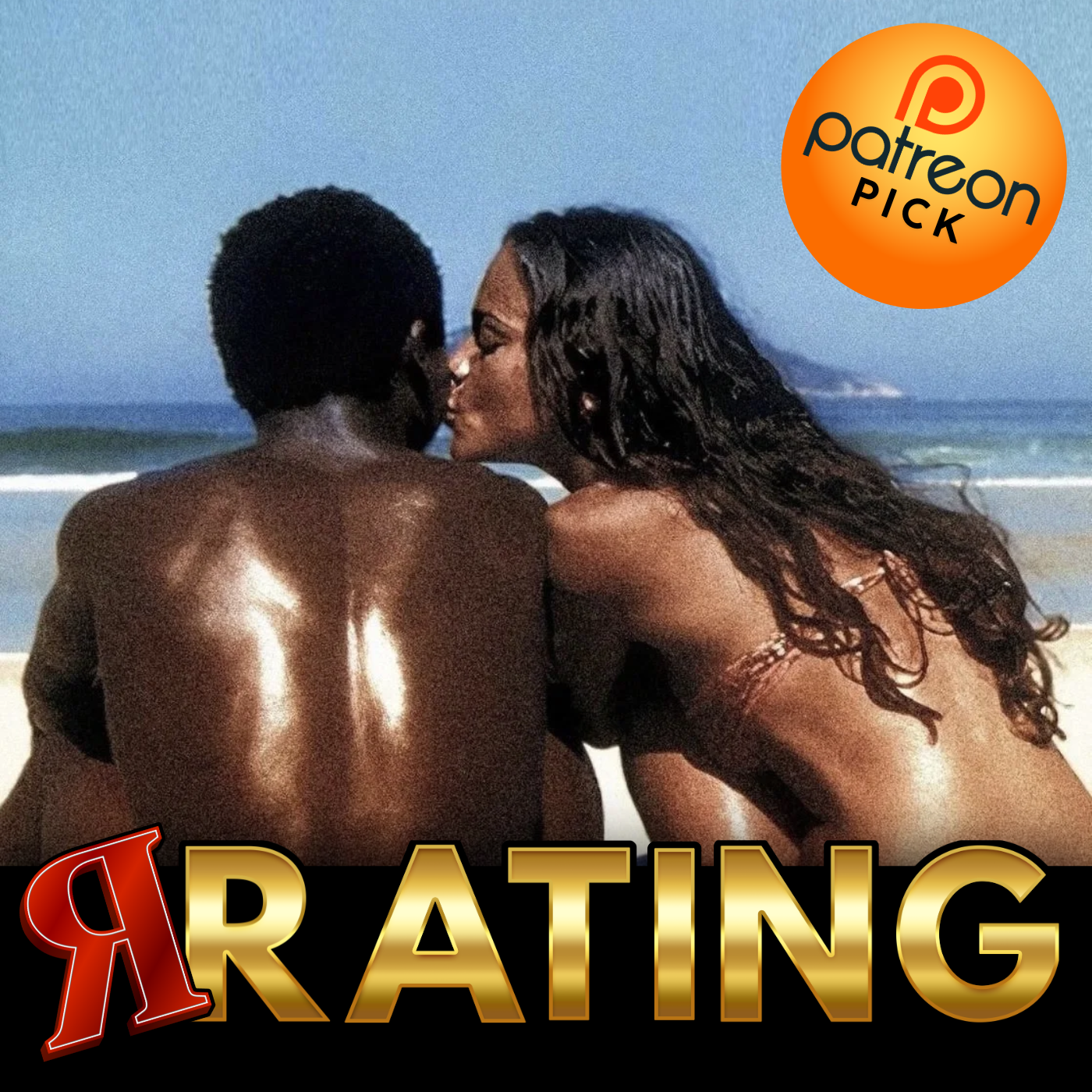
City of God 2002. Based on a true story and novel of the same name, City of God follows aspiring photographer Rocket as he grows up in the favela outside of Rio de Janeiro known as the City of God. Spanning over two decades, we see the toll poverty, crime and corruption takes on all those around Rocket and. And the devastating reality of what it takes to endure in the City of God.
[00:00:44] Speaker B: Hello, everybody, and welcome back to our rating. Now this is the show where we normally take a franchise, break it down by movie, give it an overall score and throw it up on the board. But this is our first ever Patreon pick where we let Patreon decide what movie you're going to watch. Doesn't have to be part of a franchise, and. And that's how we got to 2002's City of God.
Now, this movie is up for a whole lot of accolades, but I gotta ask my friends what I always do. Will, have you ever seen this movie before? Is this your first time checking it out?
[00:01:10] Speaker A: First time for everything.
First time for me.
[00:01:14] Speaker B: Very nice. What about you, Brian? Have you seen this one before?
[00:01:16] Speaker C: Yeah. This movie is entirely in subtitles. I tend to not watch those unless they're Kung Fu. And so this was definitely my first time coming into this.
I think I remember the poster and not much else about it.
[00:01:28] Speaker B: Fair enough. Fair enough. This is one that I. This is actually my second time watching, so I guess I'm the only person here who's seen it before. A buddy showed this to me on a night shift years ago and I remembered bits and pieces of it, but I would not have been able to tell you what the actual story was. So I'm really glad I got a chance to go back to this one and check it out again. I actually couldn't find this one anywhere to rent, so I bought the dvd. So now I've got this one for the feature, which is handy. Although we'll discuss whether or not it's one I'm going to actually go back to very often.
[00:01:57] Speaker C: That sounds. That sounds ominous.
[00:02:00] Speaker B: Yeah, well, gotta leave some intrigue and mystery. Don't want to come right out and be like, it's awful or it's amazing one way or the other.
Brian, you said that you don't watch a lot of movies with subtitles unless they're Kung Fu. How did you. How did you find this one with the subtitles? Did you enjoy it or.
[00:02:16] Speaker C: Okay, so here's. Here's One thing that I kind of wanted to ask you guys about, because the subtitles, I'm reading those and I'm not able to watch facial expressions as much, and this movie is chalk filled with child actors, right?
So I'm wondering if you come after
[00:02:35] Speaker B: the child actors in this movie. I'm gonna lose it.
[00:02:37] Speaker C: No, I'm wondering, are the child actors as good as I thought they were? Because I. I didn't get to put a hundred percent of my, you know, visual iq into what they were doing on screen because I'm busy reading, but I was blown away by their performance.
I thought so. So, I mean, and it's so full of child actors. This one actually, like, pushes the needle that I don't think I can even complain about child actors anymore after seeing so many good ones in one film.
[00:03:03] Speaker B: Fair enough.
[00:03:04] Speaker C: But, but, but the, the subtitles were a bit distracting from being able to watch a lot of the stuff. Did you guys notice, like, did it take away from you being in subtitles or are you used to watching movies with subtitles?
[00:03:14] Speaker B: So I apparently watch more movies with subtitles than you do, although not a ton of them. I will say the vast majority, if not the entirety of the actors in this movie are actually just kids and people in Rio de Janeiro, like, they got either non actors or incredibly, like, not very well known actors to play this movie. So a lot of these people are kind of just living their lives just to the script, if that makes any sense whatsoever.
I thought the acting in this one, especially from some of the kids, was legitimately phenomenal. But one of the. I don't want to say problems. I had one of the, One of the problems things that you. Because I don't speak Portuguese, I'm literally just going off facial expressions and whatever dialogue it gives me. So, like, their actual portrayal of the words might be horrendous, but I'm so uncultured in that way, I don't know if that makes any sense whatsoever. Like, if Haley Joel Osmond in the Shine, not the Shining in Sixth Sense flubs a line, you'd hear it right away and you'd recognize it right away. I have no idea how these kids are doing with their lines.
[00:04:13] Speaker A: They.
[00:04:13] Speaker B: They sound good when they're, like, crying and yelling and the jubilant, like, all of the emotion is coming across really, really well. The facial expressions, I think, are phenomenal. And you're. I, you're. They're doing a pretty good job of keeping the sentences short and sweet enough. You do kind of have time to Bounce back and forth. It's not like there's any like massive monologues of like a paragraph on screen at once.
So I didn't necessarily have that issue with it. But I can only judge their acting based off what I could tell from their acting, if that makes any sense whatsoever. What about you, Will?
[00:04:43] Speaker A: Yeah, I enjoy subtitles. I prefer that to dubbing, so I didn't have a problem with it.
[00:04:49] Speaker B: Okay, but what about the acting?
[00:04:51] Speaker C: You know, I'm willing. I do prefer subtitles to dubbing. Dubbing just seems weird to me. I'd rather read it than. Than see people not match up with the.
[00:05:00] Speaker A: Yeah, it.
[00:05:02] Speaker B: Okay, well, we're going down that path. It depends what we're doing. So for a live action movie, I agree. I'd rather have subtitles. For a cartoon, like an anime, I'm. I'm fine with dubbing because. Oh, sure, it. I'm just wondering.
[00:05:13] Speaker C: Doesn't match up anyway.
[00:05:14] Speaker B: Exactly.
[00:05:15] Speaker A: Yeah, but yeah, as far as acting is. Yeah, you're. You're not wrong, Dan. The majority of this cast is unknown and weren't actors to the point where the growing up Little Z, he didn't even want to be in the movie. He just went along with a friend to accompany him for. For the audition and then he ended up getting the part.
So the majority of this movie was cast by locals out of different slums around Rio de Janeiro.
And yeah, they. They put him in like an acting intensive. They cast this movie like a year before it started filming so that they could coach them and go through scenes and get everything, you know, locked down. And I think. I think it made for a real and honest performance from the majority of the cast.
[00:06:11] Speaker B: Yeah, I agree. There was one scene in particular.
We're gonna spoil the heck out of this movie, by the way. So warning.
There's one scene in particular where Little Z, I guess, and his gang approach a gang of kids. The. The Runts was it runs and catch two of them and are kind of like, okay, you know, we're gonna kill one of you. Which one's it gonna be? And end up shooting one of them in the foot. This movie is. Is dark and graphic and horrific to watch.
[00:06:37] Speaker C: For the record, don't think they catch three of them and they shoot two of them in the foot and they make the third one choose which one he's gonna kill.
[00:06:45] Speaker B: I think the one that they choose is one of his gang.
I don't think that he was one of the runs, but either way, okay.
[00:06:52] Speaker C: Oh, oh, he was one of the up and comers to the new gang.
[00:06:55] Speaker B: Okay, correct.
So they shoot the one kid in the foot and this kid is like ugly crying and like, I honestly, like, they're obviously not gonna shoot a kid in the foot for a movie, but at the same time, like, this looks like they shot a kid in the foot. For me, there was no acting involved
[00:07:11] Speaker C: performance in the film right there.
[00:07:12] Speaker B: They must have punched that kid in the back of the head or something to get him to cry the way I know that they didn't. I actually know the story of what happened. But like, watching it for the first time, you're just like, oh, this is legit. Like, this is actually kind of hard to watch as a parent.
[00:07:25] Speaker C: That was a powerful scene, right?
[00:07:27] Speaker A: There's a lot of awful scenes in
[00:07:29] Speaker B: this movie, for sure. Apparently they told him, like, what is the thing you're most afraid of? And he's like, oh, like a toothache. Which tells you something about the culture where like, here you had a toothache, you know, well, I'll just go see a dentist there. That's the most terrifying thing this kid can think of. And thinking about it, what brought out that emotion in this child who's not an actor of any caliber. Wow. And it's just like, I mean, I don't know if that says more about the kid's ability to act or like how poor this country is that a toothache brings on that level of desperation and fear.
But no, I thought, I thought legitimately, all of the acting, I can't think of a single performance or like, that was kind of weak. I thought all of the acting, this was just phenomenal and next level. And I have really nothing negative to say on that caliber.
[00:08:15] Speaker C: I felt, I felt this, this movie through and through had so many sequences of breathtaking performances by the actors in this, in this film.
Lil Z, for me was one that was amazing. Both the junior and the senior version of him were both incredible. The young one, the way he was able to act tough, but was obviously dealing with inner, you know, emotions and, and his ego and whatnot. And then later, that portrayal by the. The adult or more grown up version. Nobody's an adult in this. The more grown up version of him as he's dealing with those same things of like jealousy and frustration. You know, we're at Benny's party and there's like a thousand people having fun, but he doesn't get what he wants and he's miserable. And the looks that he's giving people, the things I mean, you are getting Very nervous. I was getting sweaty palms watching him because this psychotic human being was going to do something bad. I didn't know what. And I'm freaking out because everybody around it. It felt like a horror movie when you're like, don't go in there. The killer's in there. I wanted to shout to all those people, little Z's on the war path. Watch out. Like he was. It was so amazing to watch that guy work. It was incredible performance on all everybody. Rocket had great scenes. Everybody had great scenes in this.
[00:09:40] Speaker B: Absolutely. The actual little dice, which is the younger version of Little Z.
The motel scene where you find out what he did and just the glee on his face.
[00:09:51] Speaker C: Yes.
[00:09:52] Speaker B: Like it was like, oh, this is straight up sociopath.
[00:09:55] Speaker C: Yes.
[00:09:56] Speaker B: And like I don't know if like the kid knew. I mean he's holding a gun. I guess he knew what he was doing. Like sometimes in movies they will fake scenes like. Like an actor will say something really horrific and the kid won't be in the room. And then they'll bring the kid in the room but so that they don't have to actually say something horrific to the kid. But like he's actually holding the gun. He must have some idea what he's doing. And the smile on his face while he's doing it is haunting. Like it's legit terrifying for this little child actor who's just like gleefully murderous. One person massacre and it's like, oh, and that's only like what, 20 minutes into the movie. Like that is the intro almost. You're just like oh, buckle up. It only goes down from here.
[00:10:34] Speaker A: So yeah, I feel like this movie does an incredible job of just keeping you on the edge of your seat and not wanting to see more, but can't wait to see more at the same time.
It really.
And then there's a lot of reasons as to why I think the lighting, the editing, the acting, the just the storytelling. The way that it's a non linear story progression. There's. There's all of these things that keep accumulate the documentary almost style filming. There's so many things that accumulate into this that make this movie. The pacing, it's just. It just keeps you like oh man, I know what's gonna happen but I don't want it to happen. But is it gonna happen? And it's great. It's great. And I mean I've seen some complaints that the movie's a little long or it's got some odd pacing but I felt gripped the entire movie.
So I Can't complain about that at all.
[00:11:33] Speaker C: Yeah, you talk about non linear storytelling in there. That made the pacing work because you had things that were happening here and then you'd cut back over here and they would overlap and it would change the story. You know, they'd be like, oh, that's Knockout Ned. But we're not going to tell his story just yet. He didn't seem like a very important person at the time when they said that. Come to find out, he's a pivotal character in the story. You know, he changes everything.
And that would happen from time to time. Like when.
When Lil Dice shoots out the sign and then they're all running out of there and later you hear gunshots.
I had no clue. It never crossed my mind that little Dice was the one murdering people in there. And so the whole story flipped on its head while I'm watching this psychotic child murder people.
It was. It was just gripping. I was locked in at that point. I loved the way they told the story.
[00:12:34] Speaker B: Yeah, my, I was watching this one with my wife and she had a great little point on that one where the story is so close to being convoluted and all over the place. Like, in a lesser storyteller's hands, this could have been a jumbled message, but instead it's kind of weaving itself like a braid. Like. Like parts of the story are coming in and out just as they need to to make the overall experience that much stronger as opposed to just one linear story.
But it's so intricately weaved together that like, all of it is necessary, but you don't see any of it coming because it does kind of come in left field. Like it just kind of.
Now we're talking about this. Okay, now we need to talk about that. Okay, we'll. We'll discuss that later. That's not this part of the story just yet, but.
[00:13:18] Speaker A: Which is why we're also jumping all over the place right now.
[00:13:20] Speaker B: But I was never lost. Like, it was never confusing. You're never like, what is happening right now? It all makes perfect sense the way they told the story, even though it's very non linear and it takes place over multiple decades. And like, and I just thought it was brilliant.
[00:13:35] Speaker C: You know, you'd find out certain people were killed by other people that you didn't expect.
[00:13:41] Speaker B: Yeah.
[00:13:41] Speaker C: Or the people died and you didn't even know they were dead. You thought they ran away and. Oh, they were murdered, actually. Oh, okay.
Almost everybody was murdered in this thing.
[00:13:50] Speaker B: Yeah.
[00:13:51] Speaker C: You know, and it was one of those Stories where it was really cool that it started out with the chicken running in the street and the kids are chasing the chicken and. And it basically ends on that same sequence too. And you don't. You didn't know it. I didn't know they were doing a jump back or that narrative hook thing like they do. And a lot of stories, they'll. They'll show this big action sequence and they'll be like, wait, let's back up three weeks and tell you the story. And it sucks because it's like you had to show me something exciting that's going to happen just to get me hooked enough to watch your story. I didn't even know they were doing that. It was so clean and smooth.
[00:14:23] Speaker B: It was.
[00:14:24] Speaker C: It was an incredible way that they told the story.
[00:14:26] Speaker B: Yeah.
Now the opening sequence with the chickens, I noticed there was no PETA message on this. Like, no chickens were harmed in the making of this film.
[00:14:41] Speaker A: Yeah, mad skill there, man. That thing was avoiding traffic. It was all over the place.
[00:14:46] Speaker B: Well, and I'm not going to lie, like, even, like this sounds so weird. Even the chicken acting like he looks freaking terrified, like he's watching his buddies just getting mas.
[00:15:00] Speaker A: And this is why we're not qualified to
[00:15:04] Speaker B: welcome to chicken jokes.
The chicken was symbolic of Rocket, though, right? Like, just trapped in something like a death camp. Like. Like just trapped by death and just like trying to get away. Like maybe just literally of everybody in the movie, actually.
[00:15:20] Speaker A: God, yeah. Yeah, exactly. And I think that's the. One of the things is, like, you cannot escape this place. And you see multiple people try, and everybody who tries pays with their life.
[00:15:33] Speaker C: And, and even Rocket, time and time again, he's like, I'm dead, I can't go back. Or he's standing in the middle of the street and he thinks that Lil Z is going to kill him. And instead Lil Z says, take our picture. And it becomes a pivotal moment. And the way he ends up escaping, like he. He's kind of accepting his fate that the City of God is going to kill him. And instead it changed his life. And he's the only one who does escape, whereas everybody else is out to be king. Or they. They say, I've had enough and I'm leaving.
[00:16:07] Speaker B: Or.
[00:16:08] Speaker C: Or they're just running away from the cops or whatever, and they don't make it right. They think they can and they don't. And. And Rocket's the only one who's kind of left his fate up to the city and he ends up making it out.
[00:16:20] Speaker B: Yeah, that's fair.
[00:16:23] Speaker A: Well, I mean, he's still a part of it. He, he wants to somewhat at the end, he accepts being a part of it. Right. He wants to photograph it. He wants to get what this city is out to the world in some way. And he does that through his photography. Right.
So yeah, it's, it's an interesting. He's in, he's in an interesting place throughout this movie. And, and I love a lot of the things throughout this movie that just his good nature allows him leeway moving forward through the movie as well. And one of the major scenes that sticks out is that they're smoking up on the beach and then the, the rugs come around and he like gives them the, the marijuana and they're like, this guy's so cool. This guy's so cool. And that buys him favor for like later in the movie and, and, and, and moving forward throughout. And there's multiple times where his good nature saves him. Right.
And I thought that was really cool how they implemented that throughout.
[00:17:23] Speaker B: For sure they do, because this movie is a true story. Very dark, very dreary, very.
I don't quite want to say depressing, but it definitely should be.
Visceral is a good word.
But it does kind of hint at comedy here and there by doing some of those clips, like you're cutting from one person to the other. There's one specific moment where like, Knockout Ned is like, I don't understand why he didn't kill me. And you cut to little Z and he's like, wait, why didn't I kill him? And then they go, turn around. And like there's a couple moments like that where they just give you like the tiniest little bit of levity just to kind of like, you know, so you can make it through this two hour movie without wanting to kill yourself. Because it is so like, this is not any of our realities. Right. Like.
[00:18:06] Speaker C: Right.
[00:18:07] Speaker A: Yes.
[00:18:07] Speaker B: It's so incredibly, vastly different from anything I've ever experienced. But knowing that this is a true story, this is real life for so many people, it's hard not to feel some sort of compassion or empathy towards them.
[00:18:22] Speaker C: Yeah, it's an entirely different world.
[00:18:25] Speaker B: Yeah.
[00:18:25] Speaker C: Yeah.
[00:18:26] Speaker A: And I. You say that the humor helps keep you in the movie. I feel like it also at the same time, though, makes the dark points seem that much darker.
[00:18:37] Speaker B: Well, right, okay. In fairness, I didn't say it helped keep you in the movie. It's just one of those things where like, no, you can't be tense for two hours straight.
[00:18:44] Speaker A: Exactly.
[00:18:45] Speaker B: You Need a little bit of a. A release valve and it gives you that. It's not like I was coming back. Back for the comedy. Like you're. The story is incredibly investing.
[00:18:52] Speaker C: But at least you were laughing, you know, it was to some extent. Yeah.
[00:18:55] Speaker B: Yeah, for sure.
[00:18:56] Speaker C: But, yeah, it was. Everything in this is. Is very dark and satirical and. Well, not all satirical, but sometimes satirical.
I don't know. This.
This was an incredible film, guys. I. I'm so glad that one of our viewers pushed us into doing this. I never would have touched this film otherwise, and I. I'm a better person for it. This is an excellent piece of cinema that I'd recommend to anyone and everyone. Is it a bit on the long side? It could be. Wasn't for me, but I can understand that critique.
But. And. And if you don't like subtitles, deal with it. It's worth it. Okay.
It's worth it. So, yeah, I mean, if you're.
[00:19:33] Speaker A: If you like crime dramas, this is right up there with the best of them, I would say. Right? I mean, a lot of crime dramas, you go right to like, Goodfellas or, you know, whatever the Godfather, things like that.
This is showing a different world, but still such a great crime drama in that different world.
And it hits much different as well, which I think is exciting. But my leaving isn't for everybody, so you have to go in knowing that it's going to be very dark, very graphic, but completely worth everything you wish you hadn't seen.
[00:20:18] Speaker C: I've been telling people that this is Boys in the Hood meets Slumdog Millionaire with even better writing than both of them, in my opinion. Really, really fantastic film.
[00:20:30] Speaker B: I. Maybe it's the fact that it's a true story or based heavily on a true story.
[00:20:35] Speaker A: Yeah.
[00:20:36] Speaker B: Kind of raises it up a little, a few points for me. But, like, as far as crime dramas go, like, this is pretty high up on my list. Like, Goodfellas is fun, but it's not.
Even though it's also based on a true story, it feels like it's more of a Hollywood's version of a true story where this feels very much like. No, these are like the actual kinds of. Like, these are the actual people who live in this city. This is shot in the city.
Like, this is as close to reality as you can get without going there. And I mean, honestly, I would probably get killed. So, like, this is as close as you're ever going to get to that world. And it feels like it. And even, like, the way it's shot, like the Cinematography.
[00:21:17] Speaker A: Exactly.
[00:21:18] Speaker B: Very, very, very much makes it feel like you are running right beside them. You are in Rocket's hands as he is, like, filming this narrative and, like, taking the photos and taking the video of what is happening.
I think that was incredibly purposeful. It's really brought to light, especially at the end scene where you were watching. Again, spoilers. Little Z get gunned down on the street by the kids, and you can see him, like, taking the photos of it. And she's like, oh, we've been with him the entire time. Like, this has been his viewpoint the entire time. And it's. I think it's so incredibly well done.
[00:21:50] Speaker A: Yeah. And again, we talked about how these weren't real actors, not professional actors, most of them.
But a lot of the script was also improvised as well.
There is a point in the movie specifically where the.
The gang was going to go to war with the other gang and one of the gang members, like, hey, are we gonna say a prayer first? And then they go into a prayer. The actor actually suggested that to the director at the time, being like, hey, this is what we do, because that he. They know, right? Yeah. And so they actually were like, okay, you. You leave it and we'll film it. And then they left it in the film because it made sense and it brought that authenticity that you might not otherwise get. But it's also kudos to the director and the, you know, the tech side of it by utilizing those moments and not, you know, letting them get out of hand or anything like that, but making it weave into the story they're
[00:22:49] Speaker B: trying to tell and not cleaning it up at all. Like, just letting it be true and raw. I think, if I remember correctly, I believe I read the same quote or very similar, the kid who was like, we need to lead this prayer because, like, this is what we would do before a big gunfight or big. Before a war, whatnot. And it's like, this is. Like, that was not an old kid who was telling you that. And he's straight up telling you, like, before I go to war. And it's like, oh, you. You've done this. Like, this is not a movie for you where you had to get into character. You had to come somewhat out of character to film this movie. Like, exactly. Yeah, that's messed up.
The little boy in the film who's like, I smoke, I do coke, I get laid. I. I shoot people. I'm a man. You're like.
You're like, 11. What on earth is going on right now? Like, oh, different world.
[00:23:36] Speaker C: You Guys mentioned the cinematography. This is the one point of contention that I had with the film. I recognized what they were doing with it. I think it was a choice, and I think most of it worked really well. But there were a few times when some of it was too much for me.
And it was like the intensity of the film, the darkness of the film, the sadness of the film. And then on top of it, I've got this screaming chicken while the camera's all over the place and the knife blade on the stone flashing. And I almost needed to pause the movie to take a breath because the intensity of the cinematography choices that they made in some of those scenes where they're flashing around, it was a little bit too much for me almost. And. And that brought me out of it a bit. I'm not saying it was the wrong choice, but for me, it was too much, like some people say, that the movie was too long. It wasn't too long for me, but I understand that. For me, the. The cinematography of the Shaky Cam sometimes went a little over the top. And sometimes they were changing frames too fast with just like a third of a second in a frame, just rapid fire switching back and forth.
It got a little intense for me in some of those sequences.
There was another scene where they were at the. At Benny's going away party. And the flashing light sequence, the strobe, I. I get why they were doing it. It was too much for me as a viewer. I'm already just in it. I'm committed to this. I see what's happening, and then you add on top of it, all that noise and chaos. It was a little too much for me. Maybe that works. Maybe that's what they wanted me to feel. And then props to them, because I was feeling it, but it was. I. So many times I almost hit pause on the remote to just go.
Right.
[00:25:31] Speaker A: I guarantee you that's what they want you to feel.
[00:25:33] Speaker B: Yeah, exactly.
[00:25:35] Speaker A: I agree, though, that that was the only scene for me. And it's specifically because strobe lights just get to me in general. Right. But I actually didn't mind, and I'm a. I am a huge hater for Shaky Cam. I'll be the first to admit it. It took me out of Bourne Identity movies. It takes me out of all the other subsequent movies that used it poorly because they just don't want to actually show action because they don't know how to choreograph fights. But this was stylistic to documentary style. Shaky Cam they're running with. There was never a time I felt I was missing things because of the way they chose to do it. So that I'm okay with.
Except for the strobe light scene where I was just like. It's just so much flashing lights.
[00:26:18] Speaker C: I can't. Yeah, do it.
[00:26:19] Speaker A: But yeah, I. I can totally see why it does kind of take you out of it or. Or puts you off kilter a little bit. Because I think it's meant to be uncomfortable.
[00:26:32] Speaker B: Yeah, I think it's me a little too much. I think it's absolutely meant to make you feel uncomfortable and you can pause and walk away. But the people living this every day don't have that ability. They're not safe at work, they're not safe in their home, they're not safe on the streets. I don't even know if they go to school. Like, they. There is no pause button. There is no getting away from the intensity of what is just everyday life living on the edge. You never know when you know Z is going to come around the corner and just decide to shoot you up or the runs are going to rob you or. You know what I mean? Like, there is no safe ground. There's no safe passage. Nobody, even Benny, the most loved person, person in the city of God, gets gunned down in his own party. And like, you're. I'm not going to disagree. The strobe light was very intense. But I think a part of that is supposed to be like, yeah, like the kid who shot him wasn't trying to shoot him. Like he. He was also overwhelmed by what was going on and he missed. Yeah, like, you get why. Like, I'm not. Again, thets were very intense. I also thought it was too much. That's. That the one scene where I'll agree with you guys on that. But like, overall, like the shaky cameras, they're running through the streets, I think Will nailed it. Like, it's a documentary style. Like, you were supposed to feel as engaged as they are while this is happening. You were supposed to feel like if they're running from gunshots, you're kind of running from gunshots with them. Because you like these characters despite how subjectively awful people they are. Right. Like you're. You. You've kind of grown up with them over the last two hours because you start off with so many of them as children and you kind of see them grow as the movie progresses.
[00:28:02] Speaker C: Like you become a part of the neighborhood because they taught one. One sequence is about an apartment. Like, they tell the story of an apartment so you know the surroundings. Like you know, the physical layout of this movie, it's so, so you're, you're in it, you're a part of it.
[00:28:19] Speaker B: They also have that, like, the topographical map of the city of, of God where they, like, cut in and out. Like, this is, you know, Little Z's territory. This is Carrots territory.
So, yeah, like, you, you know the layout, even if you're like, I don't even know where this is in the world, you know, something about it. Like, they're trying their best to like, bring you in, bring you into it.
No, I, I, I have very, very little negative to say about it, to be perfectly honest.
I didn't feel the length. I, It's, I don't know if it's what I'm gonna go back to. So maybe I like the fifth viewing I would, but on my second viewing, I didn't notice the length. It was, it was totally fine.
[00:28:57] Speaker A: Yeah, I agree. I had watched a movie just before that, this movie, because I, I forgot to watch this movie.
And, and in my stream, somebody brought up a preview, a trailer for a little movie called Velocipaster where a religious man turns into a velociraptor and kills people.
You know, bad guys.
[00:29:21] Speaker B: Anyway, next week on our rating,
[00:29:25] Speaker A: terribly hilarious movie that I watched. And I was like, oh, wait, I should be watching City of God. And I sat down and watched that with zero issues.
Yeah, it was just, it was just a breath of fresh air only, you know, in the worst imaginable way. Just bringing light to terrible circumstances of poverty that people were forced into by rich upper class.
And, and maybe that's, you know, a little bit of a complaint that some people have with this movie is that it does really push a lot of political issues, but again, I'm here for it.
I think those need to be pushed and seen more and not forgotten so that things can potentially change.
[00:30:09] Speaker C: I, I don't even think they, it didn't feel like you, they were even pushing a political issue to me. It felt like they were showing culture, and that was the culture of Rio de Janeiro slums. And, and it just seemed, it seemed so authentic all the way through.
[00:30:21] Speaker B: I did hear, Sorry, I read that the, the little gang, the Runts, actually did grow up to become a legitimate threat down the road. I'm blanking on their name at the moment. Like the Red Command or something like that. Like, they are now the gang running the City of God. And it's just like, and they never
[00:30:40] Speaker A: end list just like they mentioned in the movie.
[00:30:42] Speaker C: Yeah, Right.
Drop in there at the end when they. When they said the name of what they were going to become. And the kill list. Yeah, yeah.
[00:30:49] Speaker A: And now you also mentioned. I don't know if you mentioned this part of the episode or maybe prior to us filming, you know, catch this on YouTube if you want to see some of the extras. Anyway, you mentioned that this is not a franchise movie, but it absolutely, absolutely is.
[00:31:04] Speaker B: Well, there's a TV series, right?
[00:31:06] Speaker A: There's. There's a TV series, City of God, the War Rages on, which is about. That Runs gang growing up and stars Rocket as well. Same actor, same character. And then. But after this movie came out, there was a TV series called City of Men, and that series was also about. In this world, about the slums. And then they came out with a movie, City of Men, in 2007 or so.
[00:31:33] Speaker B: Okay.
[00:31:34] Speaker A: And it is based in the same world, but doesn't have any of the same characters, I believe.
But it is a franchise. It's all made by the same people. It's all in the same world.
[00:31:44] Speaker B: Fair enough.
We're not going to be doing that on the show, but fair enough.
[00:31:54] Speaker C: That's the Clive Owen movie.
[00:31:56] Speaker B: No, that's something else. Of Men.
[00:31:59] Speaker C: Yeah.
[00:31:59] Speaker A: Oh, that's Children of Men.
[00:32:01] Speaker B: Children Man, Yeah.
That is not a true story,
[00:32:10] Speaker A: but it could be.
[00:32:11] Speaker B: Well, one day.
I mean, I can't really say too much else. I mean, I've kind of already hinted at where my, My rating on this one's going, but I'm.
I, I don't. I'm just gonna keep gushing otherwise. Like, do you have anything else terribly important to say?
[00:32:27] Speaker C: I. I wanted to know more about the girl in the poster pictured right over here.
She goes on to be an actress, I believe. Yeah. And she goes on to be an actress that we've seen her in other films. Right.
She sure looked familiar in this.
I didn't. I did zero research for this movie. I just absorbed it. And as it was, and I knew I was going to come here and clean would just fill me in on all the goodies. And I was like, you're not going to find that one.
[00:32:58] Speaker A: Dad's got it.
[00:32:59] Speaker B: Oh, no.
[00:33:01] Speaker A: She is in Predators.
[00:33:03] Speaker C: That's it. There it is. I knew it. I knew I'd seen her. Okay.
[00:33:08] Speaker B: Oh, I did not put that connection together at all.
[00:33:10] Speaker A: She's also in I Am Legend, Elysium. She been in a few things. Yeah, absolutely.
[00:33:15] Speaker B: The New Mutants.
[00:33:17] Speaker A: Yeah.
[00:33:18] Speaker C: Okay. And not taking anything away from her. She did. She did an amazing job in this movie. And she was probably the weakest performance, but she was still stellar in this film.
[00:33:29] Speaker B: And this is probably the weakest performance.
[00:33:30] Speaker A: I mean, maybe the only person.
[00:33:33] Speaker B: We don't hear the ending to their story, like, a lot of people. I mean, most people end up dead, but, like, a lot of them, we kind of get, like, a decent amount of who they are. And she just kind of disappears after Benny's party.
[00:33:43] Speaker A: Exactly. And I think if there. If you're gonna be, you know, critiquing a movie, you could critique this movie saying the female characters didn't get a fair rub.
There's not a lot of character development in those characters. She is literally just somebody he wants to lose his virginity to and then, you know, hangs out with her and loses her over and over again.
That's pretty much the extent of it. But there's not a lot of strong female character characterization in this. In this film. Unfortunately, representation there is a little skewed. But I think looking at the subject matter, I don't know how much women have say in gang matters or in the slums or what their role is. So, again, I'm ignorant to this world, so it's hard for me to judge that. But as a. A watcher of film, I would love more female representation.
[00:34:44] Speaker B: That's a very valid point.
I don't know.
Same with you. Like, this is. This is kind of a blind spot for me, so it's hard to talk on. I don't know.
I mean, if it's a true story, maybe they just didn't run with that many females. You know what I mean? Like, maybe they just weren't pivotal in the storylines that they were telling. Like, we get the one woman at the very beginning who cheats on her husband and gets murdered. You get Angelika, who is basically just an object of desire. And then you get the female reporter who kind of turns his life around, although she doesn't know that she's doing it. You know what I mean? Like, by selling that photo to the paper, changes his life drastically for the better.
[00:35:23] Speaker A: And she's snoring the sack, I think.
[00:35:26] Speaker C: Yeah, a lot of. I. I kind of feel like had we gotten to know any of the females in this movie a little better, it would have made it that much darker because there is so rape. There is so much horrible atrocities happening to these women or these women being used in ways that are deplorable. And I think that maybe that was a choice. They're just like, let's not get to know him too much, because it's just. There's no happy ending for any of them. Probably. Angelica was the happiest of ending and her boyfriend gets murdered just on the way out the door. And that was like the, the best. The, the reporter got laid, I guess, and then they made fun of her for being a snooze in the sack, like. But you had, you had women being used as set pieces to distract guards, sexual pieces to distract the guards. You had other women who, you know, knock out Ned's girlfriend. She was unfortunately raped. Yeah, it was atrocity after atrocity happening in this film. And all those women were kind of like back burner characters, you know, just off on the side.
And I just don't know how we could have been introduced to those characters and seen any kind of growth, any kind of. Anything at all really, just other than atrocity.
[00:36:36] Speaker A: I mean, the. One of the first females in the movie was the Shaggy's girlfriend that he kind of hook us up with when he's lying low. She felt like a strong female character. She felt grounded and real and she
[00:36:50] Speaker C: felt powerful in her own skin. Like she controlled her destiny in there. And I was just waiting for her to get taken advantage of or murdered or something. Horrible.
[00:36:59] Speaker A: Yeah.
I don't think there's a lack of opportunity to have it because they had that small little segment. Unfortunately, it was just part of that small segment.
[00:37:08] Speaker C: Yeah.
[00:37:08] Speaker A: Movie which is a greater tale obviously. But I thought that little part was great. Unfortunately, I don't even remember the character's name because it is such a small part of the movie.
But it, it's possible, but again, it's hard to tell. It's not the smallest story they're focused on and things like that. Right?
[00:37:25] Speaker C: Yeah, yeah, yeah.
[00:37:27] Speaker A: This is to me another case of a, a low budget independent film that broke out because everybody was so invested in what they were making and, and it was dripping with authenticity, beautifully put together and. And you can see the hard work that went into this. I think it was like a just over 3 million dollar budget for this movie.
[00:37:49] Speaker B: Yeah, very, very low budget.
[00:37:52] Speaker A: And the director regrets that they filmed in the slums. He thought it was a terrible idea after they started, but they, they couldn't change it after.
[00:37:59] Speaker B: Well, I mean, it works very well for the authenticity of the movie. I think it was more like he was terrified the entire time. Exactly.
[00:38:07] Speaker A: They specifically didn't film in the City of God because it's too dangerous.
[00:38:11] Speaker B: Yeah.
[00:38:12] Speaker A: They filmed in a different area, but it was still. Still. Obviously it's dangerous everywhere you go in Those. And it's just unfortunate.
I mean, it's. The reality of it is so depressing and sad.
I don't know. It's like, crazy how good this movie is because of what it brings to light. But it also just traumatizes you. Almost like, wow, people are living like this. And I complain if I get my fast food order wrong. You know, like, it's. It's.
[00:38:45] Speaker C: Well, we watch movies.
[00:38:48] Speaker A: Yeah, exactly.
[00:38:50] Speaker C: We watch movies to feel an emotion. And when a movie can make the unbelievable believable or it can open your eyes to a world you didn't know exists, especially movies that are based on truth, those are some of the best. Because in my experience, I think the reality is usually better than fiction can ever come up with. And a movie like this pushes such amazing emotions out there and opens your eyes to such a crazy world.
I had a question, you guys. I don't know.
Let's restate this.
What did you guys think about the ending where they show pictures and clips and audio bits from the real people?
[00:39:28] Speaker B: I always love it when they do that. Movies. Well, I can't think of a time I didn't like it when they do that. In the movie especially. You had the interview with.
Was it Knockout Ned? And you saw, like, the real version of him, and he's. He's doing the exact same thing. Like, he's just slowly putting on his shirt as like, okay, like, I know the entire movie is not 100 accurate, but it's great to see, like, little things like, no, they. They do care. Like, that person existed. Not by that name, but still like, that person existed. And I. I just. I think that's really, really smart. I think it's really clever. I like it when they do things like that just to. To show how accurate it is. What do you will?
[00:40:06] Speaker A: I. I agree.
It also just shows you how well they are portraying the characters and the story, that they are using that source material and utilizing it and. And paying it forward onto the screen to tell this story that maybe people don't know about but should.
To hopefully, hopefully promote change in the world. Right.
[00:40:34] Speaker C: I don't know.
[00:40:35] Speaker A: I. I like it. I like it a lot.
[00:40:37] Speaker B: Well, you, Brian, you brought the question up.
[00:40:39] Speaker C: Absolutely. I think it increases the authenticity of the film. I think the only time it's ever been done better for me would be in Band of Brothers when they open the show with the lot, the actual veterans telling some of their stories, but you don't know who they are or their names. And then by the end of the series. They put names and pictures to who these real people are and compare them to the ones in the show. And that was really amazing to me. I really like that. This. This was just great. They showed clips, audio bits, everything brought it together. Like Dan said, when you. When you see Knockout Ned, word for word doing the same thing, like, wow. That's.
[00:41:15] Speaker B: Wow.
[00:41:16] Speaker C: They're really paying tribute to it. So. Yeah.
[00:41:18] Speaker A: Loved it.
[00:41:19] Speaker C: I'm going to. I'm put this out before we even see our scores.
I think the first movie out of the gates is going to be a tough one to beat on this list because I'm predicting a high score for this film.
[00:41:33] Speaker A: Other people to try to top it, you know, that. That would be great.
[00:41:37] Speaker B: That could be.
[00:41:38] Speaker C: Yeah.
[00:41:38] Speaker B: Here I thought this would be a punishment for us. I thought they'd be picking, like, the worst moves you'd have to write, and so they're going in the opposite direction. Like, here's the best thing you could possibly review.
[00:41:48] Speaker C: Well, I can't beat that. So we're shooting for the bottom.
[00:41:51] Speaker B: Yeah, just get the top and bottom done right at the very beginning. Just go straight from this to the room and then be like, cool.
All right.
If you like what we do and you want to help support us, please visit our Patreon. There's a link down below.
Huge shout out to our executive producers, Real Bubba, Hotep and Dino for helping keep the show on the road.
And thank you so much to head writer elder JM990 for making this episode and others help actually happen. We greatly appreciate you. All right, so when we're rating these things, if you've been watching our rating for quite some time, you know that we generally rate compared to other movies in the franchise, whether it be an action movie or sci fi or something like that. So for a real world crime drama, this is a bit of a tougher one to write, especially for our first one of this category. It's not a franchise. It is just a single solo movie.
I thought the sound in this was really well done. Not only music, which is obviously phenomenal, but also the gunshots in this. Like, we've seen a couple of movies like the. The Dollars trilogy, where the gunshots kind of had a weird, like, sound. In this one, Every one of them was kind of terrifying, was very meaty, had a great, powerful noise to it. So you actually were terrified of them. Not just because people wielding the guns, but the actual sound of the guns themselves, I thought, just connected really, really well.
The cinematography in this one. I know we talked about the scene with the strobe light. But other than that, I thought was really, really, really well done. Showing you the beautifulness of the country, but also the. The darkness of the world that they're living in.
It had a great way of keeping everything very, very tense and intense, making you feel like you are part of the world. With its almost documentary style filmmaking, I thought it was really, really well done. And being somebody who really enjoys specifically like 90s indie film, it kind of had that feel to it. Even though it was 2002.
The acting in this one is.
Is a perfect for me, like it. It was absolutely phenomenal. I don't understand what the actors are saying, but honestly, you could have watched scenes of this movie with no sound and like. No sound, no, no subtitles and still known exactly what was going on based on body language, based off facial expressions, based off just how tense everybody was. Like, I thought the acting in this was absolutely incredible. Especially for having a cast that was not well known. Most of them not actors, most of them small children. I thought they did just an absolutely stellar job.
The plot in this movie is kind of wild and all over the place and also a finely knit braid, which I thought was just incredible.
Incredibly well done from the director's standpoint. He managed to tell a story out of sequence, out of order, with multiple characters and you never once feel lost. You always know exactly what is happening, who you're supposed to be connecting with, what you're supposed to be feeling in a moment. I thought it was absolutely incredible. As far as the enjoyment goes, the overall, did I enjoy this movie?
I truly did. It locked me in from the very beginning. You are with it ever, from the. The first time you see the chicken to the last time you see the chicken. You are invested in these characters. I thoroughly enjoyed this movie, but it is a dark, dark, depressing tale of poverty, life on the streets, murder, rape, violence.
Nobody, with the possible exception of Rocket, gets out clean in this film. Everybody is tainted. Everything is depressing.
It's gonna be a hard one for me to just put on on a Friday night. Like, there's gonna have to be a reason for me to watch this one again.
But when that reason comes up, I'm gonna be excited to look forward to it. City of God from 2002 gets an 89 from me as the first one of our Patreon picks.
[00:45:38] Speaker A: I don't have much to follow up on that. I'm similar to Dan. I.
I can't just watch Goodfellas. I can't just Watch the Godfather because they are heavy. They're. They're fairly heavy movies to watch. You have to be in the mood for a crime drama as far as I'm concerned.
And so I. I couldn't just pop this in, you know, any Friday of the month and have a good time. Did I have a good time? Absolutely. Am I. Am I at all remorseful that I watched this movie? Absolutely not. This thing was fabulous.
There's so many things that I love about this movie. Dan touched on. We didn't touch on the music much at all in this movie, but Elder did. So thank you, Elder, for that. It was great. It accompanied wonderfully in this movie. There's so many things here that brought the culture of Brazil into my world that I just didn't know about. And I. I think that's great. I think that's an achievement in itself. Not to mention it skyrocketed Brazilian filmmaking into the limelight. This thing won numerous awards, was nominated for four Oscars. Like, there's no doubt that this movie is not just a grand achievement in storytelling, in character work, and in bringing to light the real world that unfortunately, people are forced into living. And so, yes, this movie is great. Will I watch it a lot? No, I will not. But it will be up here for a long, long time because it is that visceral and. And raw that it just. It will stick with you. And that is amazing.
That.
That's art. That's art. This is art. This movie is art.
So go watch it. If you haven't seen it. Even though we've spoiled a lot of things in this. And if you haven't seen this movie, it. It doesn't matter.
Watch it. You will get right into it. You will love every second of it. This is a 92 for me.
Great crime drama movie.
I'm only saddened by the fact that I haven't seen this sooner.
[00:47:53] Speaker C: These guys told you all the good things about it. I had some down points on it. For me, some of the cinematography got a little too intense. I appreciate what they were trying to do, and I thought they did an excellent job of it, but for me personally, it got too intense. Maybe that's because this movie is so dark, is so deep and entrenching and.
And showcases such horrors and atrocities with almost reckless abandon, with smiling children holding guns and murdering people.
[00:48:27] Speaker B: Right.
[00:48:28] Speaker C: So you combine that with this intense style of cinematography. Some scenes of flashing lights, lots of sound music, that culture just overflowing.
It was too much for me.
There was also a little bit Too much darkness and horrificness, which there's supposed to be, right? I'm a spoiled American and I live a pampered life. And seeing this is hard for me to take in. So the intensity of this film, man, it just rocked me.
I guess that's a good thing, right? Maybe that's a good thing. But for me, sometimes it got a little bit too much. I think it could have been toned down with some of the flashing sequences of the cinematography where they're maybe not change scenes so fast. And they had some, you know, there was a knife on a sharpening stone that kept getting flashed in, in both the beginning and the end of the film in sequences of chickens running and boys screaming and guns shooting. And it was a lot. So that was a choice. Not saying it was a wrong choice, but for me personally, it was a bit too much.
The other thing that I thought held this movie back from greatness was its advertising, was its poster, was the way it was pitched. Because I missed this one. Totally, completely missed this one. And it didn't appeal to me the way it was brought forth the first time around. And I would not have touched it because it is subtitled. And that's another point I'll get back to.
But I wouldn't have touched it had. Had our.
Had Elder not pitched this one to us and had me sit down. I'm glad he did because this was an epically fantastic piece of art, a masterpiece in my opinion.
But I think that they could have done a little bit more PR work on getting it to be more relatable to viewers outside because of its intensity, because of its uniqueness.
It could have been done a little bit better there. And then finally the subtitles. The subtitles take me away from a film. I don't know if you can solve that because if you were to have English speaking actors, we wouldn't have had these awesome actors, these child actors. And I'm critical of child actors. These ones knocked it out of the park.
But the subtitles drew my eyes away from what I wanted to be looking at. That's unfortunate. I don't know if that's something you can fix. So these are the most minor of critiques because overall I actually think I'm reading this movie higher than the rest of the guys. I'm giving this one a 94.
I thought this was almost a perfect film.
I think it's something that everyone should check out. I think this is something that when your children are old enough, you should sit them down and watch this because of the reality that goes on elsewhere in the world. We need to be made aware of it. This movie encapsulates that. I'm not sure if I'm using that word right.
Whatever.
It showcases what's going on in a way that I've never seen before. It's riveting, and I was absolutely enthralled.
[00:51:34] Speaker B: All right, you already know that I'm the lowest. You heard all our numbers, but I hate how it does that.
There we have for our very first Patreon pick on our rating, City of God coming in at 92, which is going to make it awfully hard to beat. I don't have the exact numbers as far as how the other movies go from our rating in front of me. That would have been a fun thing to have checked ahead of time to see where it would have landed for the total list, But, I mean, 92, man, that's. That's pretty high of a. Right out the gate.
[00:52:07] Speaker C: It's a good movie.
[00:52:09] Speaker B: It was a legitimately strong entry.
[00:52:11] Speaker C: Yeah.
[00:52:12] Speaker A: I thank you, Elder JM thank you, Elder JM that was a great movie. I'm so happy that I watched it, because I hadn't. I hadn't. It just passed by me.
[00:52:21] Speaker C: Me too. And thanks for buying all my merch.
[00:52:27] Speaker B: All right, that's our rating of.
All right, that's our rating of City of God, but what's yours? Let us know in the comments down below. I'd love to know what you thought about this one. Was this your first time watching it or you seen this one before? Huge shout out to all of our head writers, including Elder JM990, for supporting us and actually telling us to do this episode. It was a ton of fun, and I was really glad I got to discuss this with the guys. We'll be back next week for a regular episode of our rating. We'll be discussing the accountant, so make sure you hit like and subscribe if you want to check that out. So I see you in the next one,
[00:52:58] Speaker A: Sam.