Episode Transcript
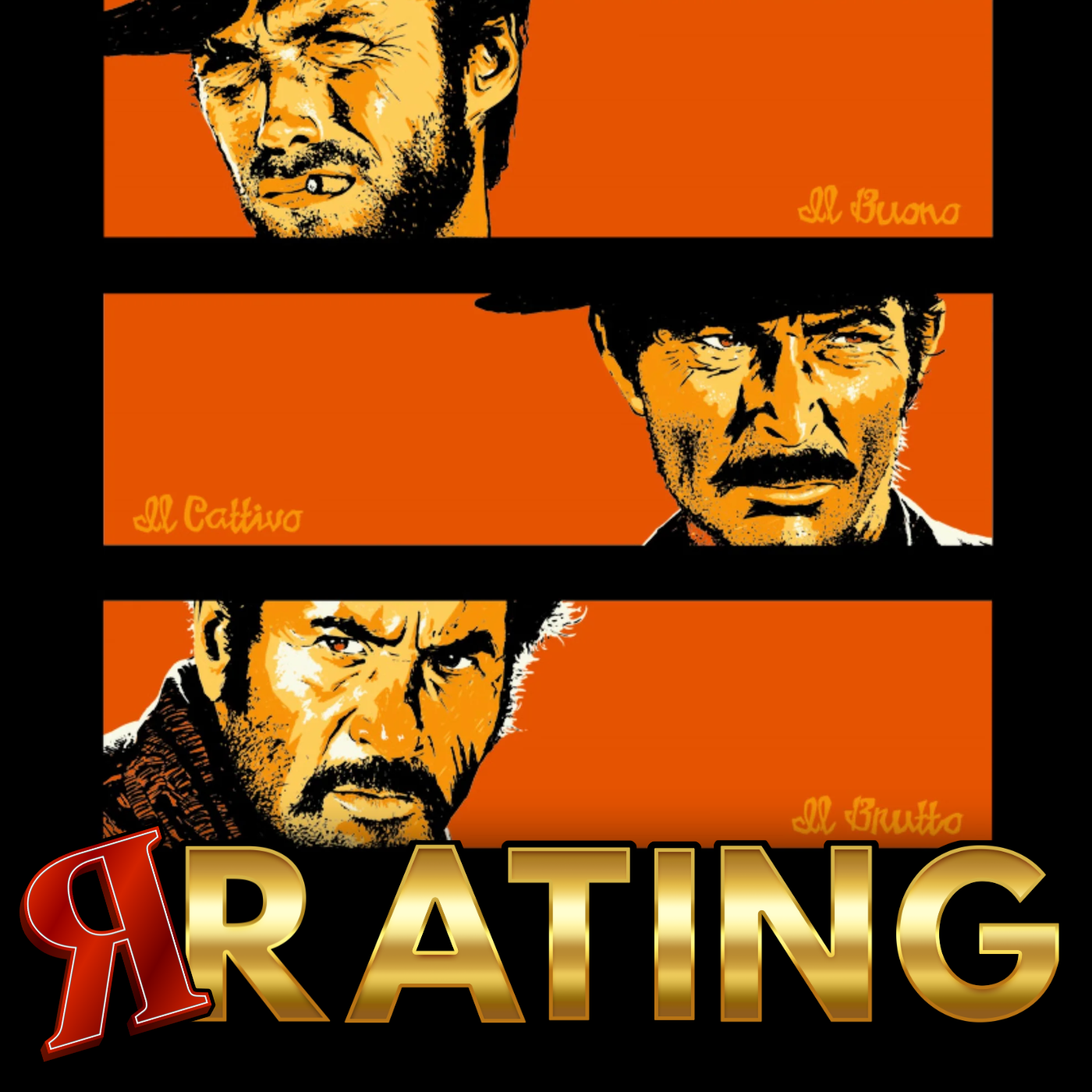
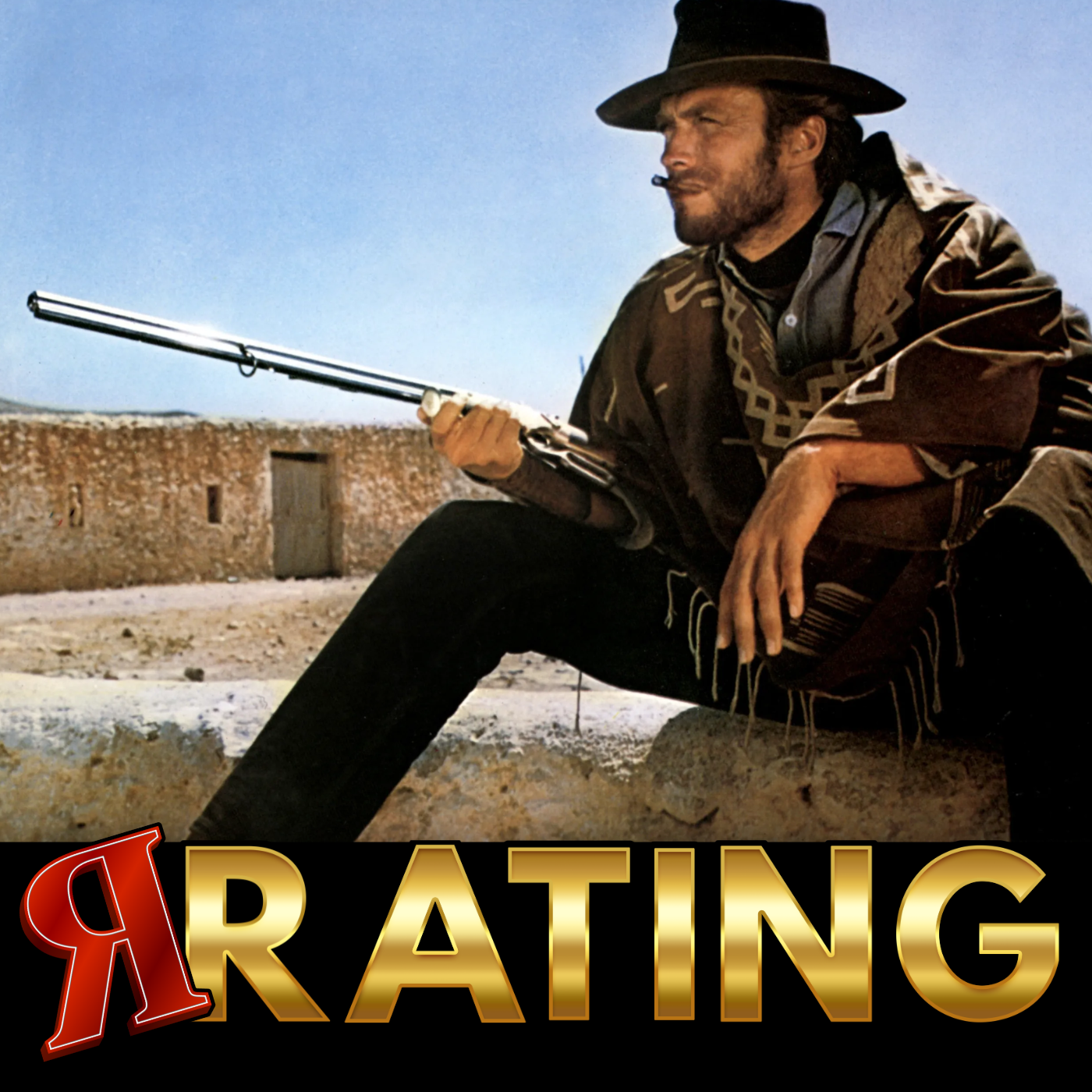
[00:00:00] Speaker A: The Good, the Bad and the ugly. 1966. As the Civil War rages on, three lawless gunslingers wage their own war to be the first to retrieve a hidden fortune of gold, cannon fire, eye patches and buried treasure. All the makings of a good pirate's tale set in the wild wild West.
[00:00:22] Speaker B: Very nice.
[00:00:23] Speaker C: There we go. Thank you for that, Will.
So to start us off, I, I noticed something about this movie and I want your guys's take on it. I think it's a great place for us to start.
This movie was long, oh my gosh, three hours. I'm halfway through this film and I felt like a porn star on her first day on the job. Like I was feeling the length of this worrying what I got myself into.
This movie was just way too long for me by the end of it. And I think that most of the things that I'm going to complain about today have to do with the fact that it, they extended so many of the scenes and sequences that they did in previous films and they, and they added too much in my opinion. And I think that some of the other setbacks that we're going to talk about today could be shored up had they shortened this film a little bit, maybe cut as much as almost an hour out of it and made it a two hour movie. Dan, what did you think about the length of this movie? Did it bore you to death? Because this isn't exactly your genre, right?
[00:01:31] Speaker B: You're not wrong. This is not my genre. And you jumped right into my number one point as well.
I think this movie, when it works, is incredible and I think parts of this movie are top, absolute top notch. I think there's an incredible, Almost perfect hour, 45 minute movie in this movie. And unfortunately instead we get the three hour version of that.
I recognize the people online and in our chat and maybe even Will are all screaming at us right now, but I gotta be honest, that's how I feel. I feel like this movie, like there are scenes that are perfect, there is acting that is incredible, there are characters that I really liked and there is shit that you do not need in it will tear us apart. Will, what do you think about the length?
[00:02:19] Speaker C: Does it deserve to be three hours or was that a bit too much?
[00:02:22] Speaker A: Well, let me start by saying this is the original cut that was released in Italy first and then when it was released in 67 internationally, it was cut down to I believe 155 minutes. So they cut out about 15, 20 minutes of the movie and it was five or six scenes that they actually removed. And I think that they did that specifically like America was like, this is too long, Nobody's gonna watch this movie.
And I actually think those scenes that they cut are really good scenes. So I'm happy that I got to see the full original cut of the film.
That said, I can see where modern day audiences that need fast paced action every second, otherwise they're gonna swipe up to the next video, you know, after every six seconds of something on screen, they can't handle it.
I could see where they would waver a little bit on this being a little too long for them.
But I think Sergio Leone really knew what he was doing by letting us sit in those silences and letting the characters eyes, letting the action, letting the pause in action really speak to the story being told, the characters being presented.
I really enjoyed a lot of the, of the really quiet moments in this movie. And so if you were to cut out those, I don't think it would hold up as well as it does.
[00:04:05] Speaker B: To be fair. It's not necessarily those scenes that I would cut out. And I can't speak for Brian. We haven't gotten far enough into this review, but like the.
How long is it? I wrote it down. The Mexican standoff is just shy of five minutes long and it's perfect and worth every second of it. However, the bridge scene is 23 minutes long and could easily be removed from this movie and wouldn't change a thing with the exception of they have that moment where they talk about like, oh, you got to give me your half of the secret blondie that could have been in another scene. That's literally all that adds to this film. As far as the plot goes, correct me if I'm wrong.
[00:04:46] Speaker C: The captain cracks his smile when he sees the bridge blow up.
[00:04:49] Speaker B: Totally worth 23 minutes.
[00:04:51] Speaker A: I, I like the bridge scene because it does put them right in the war for a brief time. I like the bridge scenes highly ignored throughout the movie. And I think it's ignored specifically because these characters live outside of this war and it makes the war seem like. And, and they present it like the war is just people, people killing each other, you know, without purpose, which mirrors them. These gunslingers who are also killing each other without purpose for the most part. Right. And so I really enjoy the, the contrast between the Civil War portion and the. These gunslingers who are like, the Civil War is such an important war for freedoms and rights and all of these things.
And then there's these lawless gunslingers who are so self absorbed and Care about no one but themselves. That contrast is beautiful. And without having that bridge scene to really show the impact of the war, I don't think it would come across as clearly. Does it need to be 23 minutes? I mean, I guess that's up for debate.
[00:06:01] Speaker C: The scene for me that really made me roll my eyes was when Tuco was running around the cemetery looking for the grave.
[00:06:09] Speaker B: Oh, I love that.
[00:06:10] Speaker C: He. He just went on and on and on and on and on and on and on. It was just forever and three minutes and 21 seconds, literally spinning around. And I'm like, come on, just. We get it. It's a lot of graves. We get it.
The showcase. The panning of the cemetery showcased the. The magnitude of this field of dead way better than him running around with his weird music playing. It was. It was that and this probably that upset me the most because I had seen so many sequences where I was like, okay, we get it. You're walking through a field or whatever was drawn out. It seemed like. It seemed like they wanted to play out that music like they did in the first one they played it out, and in the second one, they did the same thing, but they extended it a little further. And a few times it touched and kind of bothered me. I was like, it's a little bit long, but I get what they're doing. Okay. And then in this one, it was just. It was all the time again and again and again. They're letting this music play, play out and showcasing all this vista that we've seen over and over and over. And I'm just like, come on.
[00:07:12] Speaker A: I got.
[00:07:13] Speaker C: I got things I gotta do. And the movie for me, didn't really take off until almost an hour and a half, hour and 45 into it before the movie really gripped me. And they started going back and forth between the two sides of the war. And then I was like, oh, wow, the war is going on. This is a theme. I didn't realize that. Okay. And it really got interesting then.
[00:07:35] Speaker B: So the graveyard scene is 3 minutes and 21 seconds long. And I like it because of what it's doing, because what you're. You've got Tuko, who has to find the graveyard, and he's on a time limit because he knows Blondie's right behind him. He has to get there first. He has to try and, like, find that treasure as quickly as he can. We also. I think he's aware at that point that Angel Eyes is on his cover as well. He has defined it like it's. It's doing a good job of showing you how desperate he is. My problem with it is I was already still a little bit car sick from playing a game earlier that day. And that seemed like my wife and I both had to just look away because at one point, it is the cameras just whipping around so quickly, and I'm just like, I'm getting sick all over again. Like, this is not okay. And it just kept going. I get what they were going for. I liked what they were going for. But not having a focal point for that scene really did make me kind of nauseous.
[00:08:25] Speaker C: I think Eli Wallach, if I'm pronouncing his name right, the guy that played Tuco was one of the better actors in this film. I liked his character a lot.
And I felt like they could have done a scene where he was panicking and he was in a hurry and that's what they were doing. I mean, that's what he was, right? He was panicking. He was in hurry.
[00:08:44] Speaker B: Yeah, exactly.
[00:08:45] Speaker C: But I didn't like the way they did it. I think they could have done more of a showcase of his face and his emotions and him just stopping and scratching his head and panicking or whatever. He could have done it on his own without this camera of him running back and forth. And that just went on too long.
[00:09:00] Speaker B: Yeah, I agree with exactly what you just said, in the sense that Eli Willock, Tuco, easily my favorite part of this movie, like, stole every scene he was in.
[00:09:10] Speaker A: Yeah, it's absolutely his movie.
[00:09:12] Speaker C: Unlike Lee Van Cleef, who stole the previous one and seemed like he was barely in this one.
[00:09:19] Speaker B: Well, that's why I put it on the poster. I was like, the good, the bad and the barely there. I'm like, does he have a. Like, he has that amazing scene at the beginning, which kind of reminds me of. Obviously, it homaged this, not the other way around. The opening to Inglourious Basterds. Like, just that, like, standoff of words and eyes, no guns involved. I mean, the threat is there, but not really.
What an incredible scene. And then he does so little for the rest of the movie that you're just kind of like, oh, yeah, there is a third person.
[00:09:47] Speaker A: Okay.
[00:09:48] Speaker B: Like, it was really unfortunate because I loved Lee Van Cleef in For a Few Dollars More. I thought he was easily the best part of that movie. I was looking forward to seeing him in this one. I knew it wasn't gonna be the same character. But regardless, I just didn't feel like I got as much from him. And instead, Tuco took over and ran the show, which I was fine with because Tuko is a phenomenal character. I just wish we had two phenomenal characters or, God forbid, three phenomenal characters. And instead we had Tuco and two backup characters. Or that's how I felt. I don't know.
[00:10:13] Speaker A: Yeah, that's fair. I mean, I think it's purposely done that Tuko is the lead of this movie. You. You obviously get the most backstory from him when he's talking with his brother about him leaving his family because he had to become a bandit. That was his choice.
That's the only way he could survive.
[00:10:34] Speaker C: And that was a good scene, by the way. I like that.
[00:10:35] Speaker A: Great.
[00:10:36] Speaker C: With Pablo Ramirez.
[00:10:37] Speaker A: Agreed.
[00:10:38] Speaker C: Yeah.
[00:10:38] Speaker A: And you see his change in character and, you know, from his wild beginning to like, having being forced to actually trust someone. And that growth between these two untrusting bounty, I don't know, scammers, I guess, between him and Blondie. Like, his character is just so good and his arc is amazing that I didn't mind that Clint and Van Cleef were backups dancers. I really didn't mind that. I mean, obviously I love Lee Van Cleef in this movie and the last one, and it would have been great to see more of him, but was it necessary when it was Tuko Story? I don't think so.
And maybe because we watched A Few For a Few Dollars More so recently, we wanted to see more Van Cleef, you know, whereas maybe if you didn't watch them back to back, it wouldn't. Wouldn't stand out as much.
[00:11:34] Speaker B: Just out of curiosity, I just need to ask, because I didn't recognize him and I wasn't sure. Both me and my wife didn't. There's a scene where Tuco is in the bath and you get a bandit or somebody coming in through the wall and like, coming after him.
[00:11:46] Speaker A: Yeah.
[00:11:46] Speaker B: Have we seen him before?
[00:11:47] Speaker A: Yeah, he's the guy at the start of the movie where he shoots those three guys and busts out of the window.
[00:11:52] Speaker B: Okay, so the guy that comes out
[00:11:56] Speaker A: wildly.
[00:11:56] Speaker B: Yeah, gotcha. Okay, so that might be my own bad because I did watch this in two separate parts. So maybe there's just too much time between the two. So that means that actually makes a lot more scene. That scene, as much as, like, I don't know who you are, why I should care about you, was great and has one of the best lines in the movie. Again, Tuco stealing the show.
[00:12:14] Speaker A: When you have to shoot, shoot, don't talk.
[00:12:18] Speaker C: Yeah.
[00:12:18] Speaker B: Perfect. Like, just. I don't know why he was sitting in the bathtub with a gun, but like, hey, it worked for him. Good for you.
Just got to sit in the bathtub and clean your gun, right? I mean, what do you got to say?
[00:12:29] Speaker A: Hey, there you go. Wow, you really slipped and slide that one right in there. All right. Okay. Okay, I see you. I see you. Yeah. I don't know. I think there's a lot of great things going on for this movie. For sure. For sure.
It's a super fun watch. It is long though, so you have to be like, ready to do it.
[00:12:48] Speaker C: What, what was the budget on this film? Because this was scaled up yet again, especially for these war sequences.
[00:12:55] Speaker B: Roughly 1.2 million. So I believe it was like 3, 300,000 for the first movie, 600,000 for the second movie, and then 1.2 for this one. So it's been doubling along the way and it brought home $25 million. And that's just at the box office, not to mention whatever it's done in DVD sales, VHS sales, whatever, over the last 60 years. So. Oh, yeah, I, they. I'm sure the production company is very happy.
[00:13:23] Speaker C: Yeah, I, I like that it was scaled up yet again.
I wasn't, I didn't realize I was getting into a Civil War drama and, and seeing the back and forth between those then going through prisons, all, all the different things that happened with the Civil War happening in the background and not being the center of attention in this movie, but more of the canvas this movie played out on was a real interesting take. Like Clean said, they focus on these selfish, backstabbing hustlers when there's all this pain and suffering going on in the world right now and they're just oblivious to it, they're indifferent to it. And it was really, it was just an interesting take on that era.
[00:14:11] Speaker B: Well, like Will said, like, Civil War is such an incredibly important war for many, many, many reasons. And in this movie, it really is more of a hindrance to these guys and what they're trying to do. Like, it's just inconveniencing them. And that was kind of an interesting take on it. I'll give.
I'm glad that I saw it, but if I was to watch this movie again, I wouldn't hate watching that two hour version and just seeing how that does. So, like, seeing this once is great. The next time I wouldn't mind a shorter version.
[00:14:37] Speaker A: So.
[00:14:37] Speaker B: And maybe I'm wrong. Maybe I'll watch the shorter version, be like, you know what that is missing something.
[00:14:42] Speaker A: It's funny because you guys were talking about kind of the scenes that were maybe not needed or too long or what have you. So this kind of the five major scenes that were cut originally when it was theatrically released in America was Angel Eyes at that makeshift hospital, talking to the cook and giving him a drink. And they're chatting about he's looking for Bill Carson.
So that one was cut, which I thought was very important because it actually, it showed Angel Eyes kind of the.
The vast darkness that this war is bringing because he walks through all these people in the beds and it's super grim and. And you can see it affects him. You can see he's actually realizing the. The significance of this war.
So that was the scene that was cut. But I. I think it was a really great scene. Tuko taunting Blondie with the foot bath. You know, he's dragging him through the desert and then they stop and he's like splashing around in the water while Blondie's like, just about to die. That scene was cut as well, which I also liked being in the movie.
[00:15:50] Speaker C: I like that scene as well. I. I just wish that the. The desert sequence was too long altogether and needed to be trimmed down. But the foot bath part was more of the. I like that part of the desert sequence. Them just walking through it with music playing is what needed to be trimmed down a bit for me. Right. Did they cut?
[00:16:11] Speaker A: Let's see here. There's a real quick one. The wagon ride to the. When they're. Tuko's looking at the map saying, oh, they have to go through, you know.
I believe so. Yes. Yes, it is.
And so Blondie's like, well, why don't you tell me, you know, just in case, where this thing is. And Tuco doesn't, you know, doesn't buy into the trick that Blondie's trying to pull over him there.
It's like a 44 second scene. Very, very short. But I like it just because it shows that Tuco's not an idiot, right. And that Blondie has to do a lot more to pull one over him.
Then there's the six bullets left of Blondie shooting Eagle Eyes's little posse that's gonna ambush him, which I think is a great scene also.
It just shows how strong Blondie is. And, and.
And it lets Eagle Eyes know that he is a worthy contender, right, for this, for this gold.
So I thought that was a really good scene. And I think the other one was, oh, it's at the bridge scene. When the captain or corporal or whatever is talking about whoever has the most liquor is going to win this war. And he asked what their names are and he's like, oh, it doesn't matter anyway, because they don't tell him.
That scene was originally cut, which again, I feel is like really important in the movie.
Like all the scenes that they added, I think actually are good, but I could see them being cut to quicken the movie without like integral story elements being dropped. But I think they're really important for character development and things like that.
[00:17:57] Speaker C: Yeah, see, for me, I don't want them to cut any specific scene. I want them to trim some of the fat off of almost all of the scenes.
[00:18:05] Speaker A: Right.
[00:18:05] Speaker C: They just ran everything a little too long.
Yeah. Especially in the beginning.
[00:18:09] Speaker B: It felt a little self indulge. Indulgent and a little bit like they just needed a bit of an editor in there that maybe wasn't. I mean, I'm sure the CRJ Leone didn't edit this movie himself, but, like just somebody a little bit more ruthless in there. Not a lot more. Just a little bit more.
[00:18:24] Speaker C: Yeah.
[00:18:25] Speaker B: Now, that being said, there are some scenes that drag out or. Sorry. There are some scenes that some people might think drag out that I thought were excellent the way they were. Again, the Mexican standoff at the end. Perfect. Even at five minutes long of basically quote, unquote, nothing happening.
The opening scene with. With Angel Eyes and his original bounty, I thought was fantastic.
[00:18:48] Speaker A: Farmer, Farmer Family or whatever.
[00:18:50] Speaker B: Yeah.
But, yeah, there are definitely scenes that I could. I could see being trimmed and be pretty okay with it.
Out of curiosity, it's called the Good, the Bad and the Ugly.
Why? Why is Blondie good in this?
[00:19:03] Speaker C: I was going to see him do
[00:19:04] Speaker B: anything where he's like a hero, specifically
[00:19:08] Speaker A: heroic, but he is. He, I think, has the highest of morals of the three.
Like when the young soldiers die and then he gives him a cigarette and comforts him before he dies.
Blowing up the bridge just for that corporal guy to get a smile like that, that was Blondie's idea, I'm pretty sure, was to blow that bridge and. And the. And the guy wasn't the point of
[00:19:33] Speaker B: that though, so that everybody would just leave. If there's no bridge to fight over, you're not going to fight over.
[00:19:37] Speaker A: But I do believe because of that scene, it had a dual purpose for Blondie. I do feel that way, yeah. Because I think anybody he encountered that was like. Of innocence, he actually showed some goodness towards.
Whereas you can't say that about the other Two as much.
And at the end of the movie, spoiler alert. He does share the, the gold.
[00:20:08] Speaker B: Yeah, that's true.
[00:20:09] Speaker C: And he shoots the, he shoots the rope that Tuco's hanging from. He could have just.
[00:20:13] Speaker A: I also love that they, they start their story the same way they end it, which is really fun with the.
[00:20:18] Speaker C: Yeah, that's always nice.
[00:20:20] Speaker B: Yeah, I like that he drove like he, he rode his horse like a mile away and then just shot the rope down. Like we talked two weeks ago about how hard it would be to shoot a rope period with a gun, let alone with a rifle from that far while on the back of iron sights
[00:20:33] Speaker C: from like 300 yards.
[00:20:35] Speaker A: No way.
[00:20:36] Speaker C: No luck.
[00:20:37] Speaker B: But I mean, I've been corrected this entire time. This movie's not about realism. It's just about having fun.
[00:20:41] Speaker A: So for sure, right? So, yeah. But in the end, I think Blondie is the good of the three. Is he good? Not really. These guys are all morally questionable.
[00:20:53] Speaker C: Angel has a code, but he's ruthless.
[00:20:56] Speaker B: You know that code come up ever again? Like, he's like, once I start a job, I'll finish it. I was like, cool, that's going to come up. Nope, never did again.
[00:21:03] Speaker A: Yeah, it doesn't really come up because he's just on his own job then, right? Because he wants that money. Right. So it's, it's kind of, it's interesting that they. Although I guess at the end of the movie he's like, okay, we're gonna do this Mexican standoff. I'll, I'll go with that.
[00:21:18] Speaker B: So I guess something you gotta wonder, like in what's. What year is this? 17.
No. Anyways, for the year they're in, $200,000 is an insane amount of money. You could easily split that three ways. Nobody has to die and you're all just like, cool, peace. But of course, none of these people trust each other at all.
Which is why like Blondie at the end, spoilers for a 60 year old movie only knows that he's got one opponent in that table because he's already fixed the game in his. In his regards, in his favor. So that was kind of clever. And he knows like, okay, I can trust Tuko enough that if I give him 100k, he's probably just going to leave me alone. But even then, as I say, he has to like string him up and like ride his horse half a mile away before he's like, cool, okay, now, now I feel safe enough to like let you be and let you be your own person. But like I don't know, it was.
[00:22:15] Speaker A: There was another moment too after Tuko had his little brawl with his brother.
Blondie asked about his brother to Tuko and he her overheard what was happening and knew that they had a falling out. But he allowed Tuco to be like, yeah, things are good. Families, it's always good to have family and all of that. And Blondie didn't, didn't push on that. He just let that be. And I feel like that was a morally good move. I think that was a nice, honest Blondie moment.
[00:22:47] Speaker B: Okay, that's fair because he's not an.
[00:22:51] Speaker C: I don't really understand the title. I don't. I don't get it. Why it's the Good, the Bad and the Ugly. It could have been, you know, the Three Amigos for all I care. It was just three dudes who had three somewhat separate stories and origins and how they interacted. Set in this era, this time period with the war going on and how that plays out, where they go to fetch this money. It was a very interesting story, a pretty simplistic plot, but well placed and well thought out and everything.
But I just don't get why it's the Good, the Bad and the Ugly because they were all very morally ambiguous to me. Yes, Clint Eastwood maybe a notch above the others.
You know, I don't know why Tuco is ugly. He should have been the funny because he made me laugh several times in this movie.
So I didn't really get the title, but that's fine with me. Titles don't have. It's not about the title. It's about, you know. Did you enjoy the movie? Yeah, overall, I did enjoy the movie. I actually did have a good time watching this. It's just I kind of had to wait a few minutes to get to some of the stuff that I wanted to enjoy.
[00:23:55] Speaker A: I had a question for you guys.
[00:23:56] Speaker B: I started. Sorry, one question.
[00:23:57] Speaker A: Yeah.
[00:23:58] Speaker B: I started watching this with my kids, my kids and my wife. Sorry. And they watched the first. I have no idea. Hour and a little bit before they had to go to bed. And we watched the rest of the next day. And probably like nine minutes in, my kid looks at me, he's like, is there talking in this? Because like it's an ancient movie for a 12 year old, right? And I'm like, yeah, of course there's talking in this. And then it was like 10 and a half minutes in. And they're just staring at each other. I'm like, okay, there is talking in this, right? Like you're almost Second
[00:24:26] Speaker C: at the table for 10 minutes.
[00:24:28] Speaker B: Just get that piano player in the corner playing the classic Western music.
Sorry.
[00:24:34] Speaker A: I mean, that brings another point up for me as well. Leone was quoted, first off, his father made silent movies when he was growing up. And then I think that kind of bled into Leone, how he creates movies and had said his films are basically silent films, and the dialogue just adds some weight.
And you can see that throughout his films that they're set up very much like silent films in the way that we talked about this in Anchorman, how it seemed to be just a. A set of scenes that just kind of, you know, each scene had a beginning, middle and end to it, its own set piece, and then we'd move on to the next. This one, obviously, masterfully executed compared to Anchorman, but.
And then the music on top of that is. Is so involved in the process that it also aids in telling the story where there is no dialogue. So I do feel like this is, in a way, a silent movie, and the words are just there to give us a little taste here and there of.
Of what the characters.
A lot of it's just quips, really,
[00:25:42] Speaker C: let's be honest, for what little dialogue there was. I did enjoy the dialogue. I liked what they had to say when they said it. Nothing was ever, like, stupid or overdone or anything. It was minimalist, for sure, and it worked. And like the sequence with Father Pablo Ramirez and Tuco, it was unexpected dialogue that came in there, but it was impactful. It was. It meant something. It was. It was worthy of being there and being heard. And all the dialogue throughout the movie was like that.
[00:26:11] Speaker A: I agree.
[00:26:12] Speaker B: Yeah, agreed.
There were still some issues that I'm gonna bring up, and I get that people are gonna roast me because it's spaghetti Westerns. That's how they are.
There were scenes where you would have the dialogue not match their voices, or it would cut back and forth from different camera angles, and the audio would change so drastically based on where the camera was pointing.
I get that they're limited from the time frame. I get they're recording in different languages. But as a moviegoer, it kept reminding me, like, oh, right, we're watching a movie.
[00:26:41] Speaker C: Right. Takes you out of it a little.
[00:26:43] Speaker B: Didn't knock my score very much. Didn't knock it very much at all. Because the sound, the music in this is incredible. I love that each one of them had a little bit of a variation of the theme song. Yeah, it was really, really smart. And honestly, took me a while to figure out and Once I did is, like, listening for it, like, yeah, that's cool. Yeah.
[00:26:57] Speaker A: They each have their own instrument. Yeah.
[00:26:59] Speaker B: Yeah. Like, I. I like the audio in this movie, but we have to be critical. And so, like, you know, this is what I. Like, this is what I didn't. It did take me out of the movie more often than I would have liked.
[00:27:08] Speaker C: Yeah, I heard it. I didn't have too much of a problem with it. I think I heard that more in the first movie was probably the most.
[00:27:15] Speaker B: Oh, yeah.
[00:27:15] Speaker C: And. And it's gone down. They've gotten better. And you know what? The effects on this one were phenomenal for. For what they did. We had squibs in this one. Not a lot of them, but we did have some once in a while.
[00:27:27] Speaker A: Yep.
[00:27:28] Speaker C: And. And that was to great effect. Like, when he shoots the guy and, you know, he's like, I almost finished a job. And he shoots the guy in the head with the pillow over it. You know, the pillow, like, pops off and starts on fire almost. And I was like, that's cool. Hey, we. We see things happening here.
Lots of gun smoke. We see blood. We see, you know, Eastwood in his walk through the desert. His face just looks like melted rubber. You know, after being so sunburned. Maybe most practical, but at the time, I bet that was great. I thought.
[00:27:57] Speaker B: I thought it was great. Now, like, that was one of the points that I had is I thought the makeup on. On him in that scene was insanely well done.
[00:28:04] Speaker C: Like, oh, I thought it was good. I've seen better. But I thought it was really good.
[00:28:09] Speaker B: Sure. But for 1965, I thought it was.
[00:28:11] Speaker C: Oh, yeah, amazing.
[00:28:13] Speaker B: Pretty much as good as it could possibly be compared to, I believe it was Fistful of Dollars. The bloody Head after he got beaten up, where you're just, like, laughing at the tomato juice on his face. Like, the sunburn was like, oh, this guy's been through some stuff. Now he seems to heal from it in a day. Which was. I mean, they're probably just a time lapse.
[00:28:31] Speaker C: I felt like, yeah, I think some time passed.
[00:28:34] Speaker B: But at the same time, like, Tuco is very patient. Considering the rest of the movie, I'm
[00:28:37] Speaker C: pretty glad they didn't play music for a day and a half while. Time passed.
[00:28:41] Speaker B: Okay. It passed in real.
[00:28:45] Speaker C: The Good, the Bad and the ugly. 24.
[00:28:50] Speaker A: That's so funny.
[00:28:52] Speaker C: Yeah. So on, you know, I'm kind of looking over some of my scores in the different areas and everything. This movie, for me, it went up in the special effects and any kind of the effects, I guess. I. I don't know if there are any special effects in this. They're all practical back then.
And I think the acting went up another notch, mostly because we just brought in another amazing actor and kind of gave them the floor.
Wallach. Wallach. How do I pronounce his name?
I'm not sure.
[00:29:26] Speaker A: I think Wallach.
[00:29:27] Speaker B: I think Wallach. I think you had it right the very first time.
[00:29:29] Speaker C: Wallach is just fantastic. I want to go watch him in something else and see what other characters he can play. When a character is that good, when an actor portrays something that well, that makes me want to go watch something else they did, just to see them do something different, you know, they're. They're spot on. And Lee Van Cleef was that way in the previous movie, Eastwood. I've seen most of his stuff anyways, but if I hadn't and I watched Fistful of Dollars the first movie, I would have been like, what else can this guy do? And for me, Wallach did it in this movie as well. So the acting kind of goes up for me in this movie. The thing is, I think in almost every other category, it almost goes down, like, just a point or two out of a hundred. Just a point or two across the board. We're still hitting high numbers for me in all of this. I just kind of think that the previous movie did it pretty dang good, you know, which is surprising because I thought this was supposed to be the pinnacle. That's the rumor I heard is that the Good, the Bad and the Ugly was the best.
[00:30:30] Speaker A: That's what a lot of people side with. A lot of people think that this one is Leo. Well, actually, of this trilogy, this is the Leone pinnacle. I think a lot of people think Once Upon a Time in the west is his best movie, but, I mean, that's not. That's not our place.
[00:30:46] Speaker B: We only do franchises. Not we're doing at the moment. Yeah, but, yeah, you touched on a bunch of different categories. I. I just want to. It almost sound like you're going to your rating. And I'm like, I'm not quite done talking about this just yet, but we'll get there very soon, I'm sure.
Going back to the sound in this movie, the music in this is iconic. Almost doesn't feel good enough. Like it's the music in this.
Like, okay, if I say Star wars, you can picture Star wars music. If I say Jurassic park, you can picture the Jurassic park movie. I can just say Western. And you're probably Picturing this music. Yeah, like the music happened. And my kid was like, that's like tumbleweed music. I'm like, oh, kiddo. No, that's what plays with like a tumbleweed flies around. Like they've played Red Dead Redemption, but this is probably the first Western they've ever watched.
[00:31:33] Speaker A: Right.
[00:31:33] Speaker B: And it's like, yeah, like this movie, the music story has outgrown the movie to the point where it's just synonymous with the genre.
And as much as, like, you might fault it in that sense where, like. Well, if you hear Star wars, you know, it's Star Wars.
The fact that now, like, this is just iconic to all Westerns, like, this is encompassing huge, I think doesn't. You can't say enough about how good it is.
[00:31:57] Speaker A: And it is phenomenal. It's a masterclass in. In. In music composition, I believe.
[00:32:03] Speaker B: Yeah.
[00:32:04] Speaker C: I think there were a couple of times when I just didn't like the choice of song that they were playing for the scene. Like when Tuco's getting beat up inside the military prison and they have the prison guard, the people playing music. I didn't like the choice of song. I love the scene. I loved what was going on. But I'm watching this song and I'm like, this song doesn't strike the emotional chord that I want it to. And it didn't even strike like a contrasting emotional chord for me. It just didn't fit in any way I could figure. I didn't like that one.
[00:32:39] Speaker A: Yeah. I felt. I felt the contrast of it and that all the people singing knew exactly what was happening.
[00:32:45] Speaker C: Oh, yes.
[00:32:46] Speaker A: While they.
[00:32:47] Speaker C: Fantastic.
[00:32:47] Speaker A: Were forced to sing the song. I. I really thought the scene was really good, but I guess if you, if you didn't feel the song, you don't feel the song. Right?
[00:32:55] Speaker C: Yeah, that's all it was.
There were a couple of places where there was music playing and I was like, I get what they're doing and they're doing a great job of it, but for me, this is the wrong song.
[00:33:04] Speaker A: Not resonating. Yeah.
[00:33:05] Speaker C: Yeah.
[00:33:06] Speaker B: As far as the band playing the song goes, I am not a historian by any stretch of the imagination, but I have to assume that that was a period specific song. Maybe a famous song, like for the time, like something that would make sense that the army is playing.
That just doesn't resonate with me in 2025. I just don't. I don't know it. I don't know the reference. I don't know the. The historical accuracy of it. So I. I can't I would agree with you where it didn't hit me either in. Oh, man, this is a powerful song or an emotional song. It was just kind of a song, right? But I have to assume it's there for a good reason. And people smarter than me, which is almost everybody put it in for a good.
Like, it made sense. You know what I mean? Like, I have to assume, right?
[00:33:47] Speaker C: It was a good.
[00:33:48] Speaker B: Imagine a world where the music is so good everywhere else and they just put in a random song without thinking of it. Like, it's got to have had a purpose. I just don't know what it is.
[00:33:59] Speaker C: I don't know. Did we get as much action and shootouts as we did in the previous movie? Because may have been that there was just more space in between them, but with the same amount.
[00:34:10] Speaker A: But.
[00:34:10] Speaker C: But I felt like the shootouts and sequences weren't as cool as the previous one.
[00:34:18] Speaker B: I guess I would agree with that to a certain extent. And the problem is, you mentioned earlier where Angel Eyes all of a sudden has a gang of six people just for them to die in the next scene.
Felt like they were in there because literally they're just like, okay, we need another gunshot. But we don't want to lose any of the main three characters. What do we do? Oh, let's just give them a gang of people that we've never seen before after. And they can all just die. And you're just like, yeah, okay. And like the first guy shoots Tuko from behind, from above, barely moving target. They're walking slowly and he misses. Everybody else in these movies, crack shot. And this guy can't hit him from 20ft away. He turns around and shoots him instantly,
[00:34:58] Speaker C: just like, yeah, from the hip.
[00:35:00] Speaker B: But you, yeah, you have the one stormtrooper and everybody else is a God. Okay, sure, I don't know.
It wasn't a bad scene, but I feel like the action in specifically A Few Dollars More was just better.
Now, this one looked better, but the actual action, I think was better than that one.
[00:35:19] Speaker C: Yeah.
[00:35:19] Speaker B: What do you think, Will?
[00:35:21] Speaker A: I. I'll agree with that. The same was with Tuco and his goons, right? They go for Blondie at the hotel or wherever the brothel or whatever it was, and.
And then he just takes them down so easily. I like that it was set up that Tuko's smart enough to like, make a move on him to counter him and actually get the jump on him. But, yeah, it just seemed like, okay, we need another shootout at this time a little bit.
[00:35:48] Speaker B: Yeah.
Okay. So I have I have a controversial thought.
[00:35:53] Speaker A: Oh, boy.
[00:35:55] Speaker B: As if someone might haven't been already.
Did you guys feel like there was any deus ex machina going on in this movie at certain points where you're just like, wow, that was super goddamn convenient.
Will's got a very quiz.
[00:36:08] Speaker C: Machina means technically.
[00:36:11] Speaker B: It means.
It means God out of the machine, technically. But what it actually is is like something comes out of complete nowhere to like save the day or change the story in some drastic way.
[00:36:21] Speaker A: Yeah, something out of the stories realm comes in to save. Like, you know the T. Rex in Jurassic Park?
[00:36:27] Speaker B: Okay.
[00:36:28] Speaker C: Bad guys standing over the good guy about ready to pull the trigger, hit him in head with shovel. And something crazy happens and saves.
[00:36:35] Speaker B: Like a wagon pulls up with a bunch of dead people. Except for the one person who knows exactly where the gold is and absolutely tells Blondie, not the other one, where the gold is. So now he can't kill Blondie right at the exact moment that he's standing over him with a gun point at his face, where in the middle of a desert, they just happen to run into each other.
[00:36:56] Speaker C: Okay. And so connect the dots to me, because Angel Eyes knows about the money because of what's his name that's got his name inscribed in the clamshell?
[00:37:05] Speaker A: Bill Carson.
[00:37:07] Speaker B: Well, technically because of the guy at the very beginning who. His name. I don't remember.
[00:37:10] Speaker A: Told him about. Yes.
[00:37:11] Speaker B: Told him about Bill Carson or told
[00:37:13] Speaker C: him about Bill Carson.
And so Bill Carson knew about this.
And then these guys stumble across a dying Bill Carson who tells them where this money is. And now our two paths are destined to cross because they're going under the guise of Bill Carson.
[00:37:28] Speaker B: Yeah.
[00:37:29] Speaker C: Or what Tuco is.
[00:37:30] Speaker B: Yeah.
[00:37:31] Speaker C: And so until that moment, this movie had no direction, no real.
I had no idea where it was going. I didn't understand what the point of it was. And you're right. Out of nowhere they cross paths and now it's like, oh, they're all gonna go for the money. Now I get it. And we're gonna see how this plays out. And each person has the puzzle, et cetera, et cetera. So it was a good moment. And for me, it wasn't quite so out of the blue. Something had to happen to make their paths cross.
[00:38:05] Speaker B: Sure. It just. It felt a little lucky. And it was the second time we'd seen something like that happen. Because before then, I think possibly after that, I don't remember, we have the scene where. No, it must be before then, because he's willing to kill him. Tuco has Blondie in a noose on the second floor of a building. And a cannon comes out of absolute nowhere, knocks him down. Doesn't knock Blondie down because that would, of course, kill them. Doesn't hurt Tuco in any way, shape or form, but gives Blondie time to escape again. When he's at gunpoint, you're just like, all right, how many times are we going to have Blondie escape at the last second because of some nonsense? Anyways, that was just one of those weird, like, I don't know, it seemed a little cheap to me to do it once, let alone twice. And I was kind of waiting for the third. But so be it going back a second. Because I thought the actual idea that each person has a piece of the map is interesting.
But does Angel Eyes, does he really have a piece? Because all he really knows is Bill Carson.
Tuco knows sand, Sad Hill, location.
[00:39:02] Speaker A: Yeah.
[00:39:03] Speaker B: And then Blondie knows the graveside. So, like, I feel like Blondie and Tuco are gonna get there. They don't really need Angel Eyes, whereas Angel Eyes desperately needs them. I thought it would have been a little bit cooler if Angel's Eyes had a bit more crucial information.
So that it really did come down to, like, I need something from both of you. It wasn't necessary for me. I'm not saying it took me in any way shape. It just. It would have been cool if each one had a third and it seemed like they both had half and he just kind of knew that the gold existed.
Am I. Did I miss that or did that sound about it?
[00:39:37] Speaker A: No, no, you're right. You're right. I didn't hate it. I think it shows Angel Eyes's determination and his skill at getting what he wants no matter what.
He. He. He was going off a name and he got all the way to that hidden treasure against all odds. Whereas these two needed each other to get there. And so I. I kind of liked Angel Eyes for that reason. Like, it just really showed his grit.
But would it have cool to have like a three way? Absolutely. He doesn't like. Who doesn't like that?
[00:40:13] Speaker C: So I gotta disagree with you guys. I like the way they did it. I like that you had two pieces of the puzzle and you had a third guy trying to steal it all from him and made it uneven. It wasn't symmetrical. It was more real.
I just like that it fit. And if each person had a piece to the puzzle, sure, it would have made for a good story, but it would have felt like a cliche to me. This Felt genuine. And I like the way they did it.
[00:40:42] Speaker B: That's fair. It just didn't necessarily feel like Angel Eyes was important.
Like, other than the Mexican standoff, it didn't feel like Angel Eyes.
[00:40:49] Speaker C: True.
[00:40:49] Speaker B: Like, okay, you know, people talk about Indiana Jones and, like, in the first movie, he doesn't really need to be there for everything to happen. It didn't really feel like Angel Eyes had to be there for this movie to happen. Like, I feel like we would have got to the very end, they would have unburied the treasure. Clint Eastwood would have put him on the grave site, took half the money, shot him down and moved on with life. And that's it.
[00:41:07] Speaker C: Well, he was the bad guy. Yeah, sure. The danger to both of them because.
[00:41:13] Speaker A: Because we got the pressure on them, for sure.
[00:41:15] Speaker C: Yeah, He's. He's raising the stakes. He's this threat to everybody. And Van Cleef does an amazing job playing a bad guy so well that in the previous movie, I thought he was a bad guy for half the film because he's so sinister and so he doesn't really.
And. And that's what sucks about this film. We didn't get enough Van Cleef. We should have had more sequences of him showing his.
His. His veracity of going after that money, of chasing them, of being on the hunt. A little bit more of that. A little bit more pressure on these guys to. To make his character that much more important.
[00:41:52] Speaker B: He was kind of, what I'm saying,
[00:41:54] Speaker C: Get enough of it.
[00:41:56] Speaker B: That's kind of what I'm saying. I love Lee Van Cleef. I'm not taking anything away from. I wanted more of him in this. I want him to have a bigger impact.
Because realistically, Tuco and Blondie are each other's antagonists. Like, they're not really friends for 99 of this movie.
[00:42:09] Speaker C: They're on the version movie.
[00:42:12] Speaker B: Well, I mean, you could. You could argue that Blondie is. Tuco would definitely kill Blondie if he didn't have the information that he needed. Like, I definitely get that impression. Whereas Blondie. I mean, I argued why he's the good guy, but realistically, I don't get the impression he would kill Tuko for no reason. He did kind of, like, leave him in the desert to be, like, cool, I'm out. Like, this partnership's not worth my time anymore. But he didn't kill him. And he definitely could have.
[00:42:34] Speaker A: Yeah, but he would have, I think, after the reversal desert scenes, Right?
[00:42:40] Speaker B: Oh, I tortured him. Sure.
[00:42:41] Speaker A: Yeah.
[00:42:42] Speaker B: Yeah, yeah.
[00:42:42] Speaker A: For sure.
[00:42:43] Speaker B: Sure.
[00:42:45] Speaker A: Yeah. Yeah. I. I think it's an interesting dynamic.
I mean. Yeah. Would I love Morley Van Cleef? Absolutely. Do I dislike what I got? Absolutely not. I. I really enjoyed the dynamic between ugly and good. I really like that the bad was just putting the pressure on. Even without being there, they felt the pressure of the bad always coming to get them.
So that, that's.
[00:43:12] Speaker B: I guess I just didn't feel that pressure. I just didn't feel like he was always coming.
[00:43:16] Speaker C: I liked how. How Angelize was very smart.
You know, he. He beats up Tuco to get the information, but he recognizes that Blondie isn't going to talk. So why not just kind of hire him to go do it and double cross him later?
So that, that, that was cool. I don't know. There was. There's lots to like about this movie and I really like the way that they did it. They could have done a lot of different things in this movie, but I wouldn't change the overall script or plot or direction of it. I. I just would have liked Van Cleefs to. To be in it more and pressuring the two a little bit more, you know.
[00:43:55] Speaker A: Yeah. If he may be caught up multiple times instead of just the once.
[00:43:59] Speaker C: Right.
Chase them out of the church when they're.
[00:44:02] Speaker A: Three and a half hours. Four. Let's make it four hours. Get more Van Cleef in here. Reshoots.
[00:44:07] Speaker B: Let's go.
[00:44:10] Speaker C: Okay.
[00:44:13] Speaker B: I think it's interesting for me, at least. I'll just speak for myself. I liked. I liked all three of these movies well enough.
In the first one, you don't. I don't remember there being anybody who really overshadowed Clint Eastwood. He was pretty much the main character, pretty, pretty staunchly. The second one, Lee Van Cleef, for me, kind of stole every scene that he was in and he was the part of the. That I was watching and loving. This one.
Eli Wallach stole every scene. Like, by far my favorite character. To the point where you're saying, like, this is basically just his movie.
It's interesting to me that in a franchise that is said to have launched Clint Eastwood's career, and it does. I'm not trying to take anything away from him.
He's overshadowed in two of the three movies.
I don't know does that. I wonder if that's a normal thing. It rings true.
[00:44:58] Speaker A: I think it rings true for sure.
[00:45:00] Speaker C: And it's not to say that Eastwood did a bad job in any of them.
[00:45:04] Speaker B: I'm not on them.
[00:45:05] Speaker C: Any of these guys do a great job in the Movies that they are in, it's just Eastwood is just constantly put a little bit further down the line because of the showcasing of the other.
[00:45:15] Speaker A: Other.
[00:45:16] Speaker C: Other people. They're. They're all great.
[00:45:18] Speaker A: Part of the other thing is, too, is, you know, Clint had that first movie which established this man with no name character and pretty much plays that character in each of the movies. So you already know what you're going to get from Clint, whereas you know what you're going to get from these other characters. And so that makes it more intriguing as well. It's more fresh.
[00:45:36] Speaker C: In A Few More Dollars, we have a bit of a character arc with Van Cleef's character, and in this one, we have a character arc with Wallach's character. Whereas in the first character arc for
[00:45:48] Speaker B: Clint Eastwood, or Backstory, I should say,
[00:45:50] Speaker C: you never get much of a character arc for Eastwood. You just have this mention of some reasoning, and then he does some things that seemed a little out of character and we didn't get enough. I was kind of hoping we would get some background on that character and come to find out it's technically a different character each movie.
[00:46:08] Speaker A: Right.
[00:46:08] Speaker C: So.
[00:46:09] Speaker B: But although he did have that, like, Han Solo moment where he, like, he got the. The.
Some not sombrero. What is it called? Poncho.
[00:46:17] Speaker C: Poncho.
[00:46:17] Speaker B: You got the poncho mode. You're like, ah, there it is. That's the thing.
[00:46:21] Speaker A: Pretty much. Yeah.
[00:46:25] Speaker C: I forgot what I was gonna say. I had something cool.
[00:46:28] Speaker B: Oh, I'm sorry. I apologize.
[00:46:29] Speaker A: Yeah, that's fine. I'm gonna add to Dan's a remark about, like, each movie having their. Their strong.
Strong presence. That said, I feel like we can't forget the good. The good. The bad guys in the movies as well. I think the bad guys really stand up well against that. Much more enjoyable to watch as well, because you're invested. Because the bad guys are so well thought out and. And well played that you want. Or you're maybe rooting for the protagonist throughout as well.
[00:47:02] Speaker C: Yeah. Did we get who played the bad guy in. In Few More Dollars? He wasn't in this movie, was he?
[00:47:09] Speaker A: He wasn't in this.
[00:47:10] Speaker B: I don't believe so. He was in the first two, though, right?
[00:47:12] Speaker C: Yeah.
Played the father, the. The brother, Tatuko. And he was in this, and he was good and all, but it was a small part. But, man, I was really hoping to see that guy again because he played such a great villain in A Few More Dollars that I. I wanted more, and I was hoping for a different Character like they've been doing, how they've each been replaying and playing different characters.
[00:47:37] Speaker B: Yeah.
[00:47:40] Speaker A: C' est la vie. Can't. Can't have it all.
[00:47:44] Speaker C: Can't have it all.
[00:47:45] Speaker B: But I want it all. Okay.
[00:47:47] Speaker A: Okay. Quick question here before we wrap.
At the end, the Mexican showdown.
Spoilers, everybody.
Dan, Brian, who did Tuko shoot at?
[00:48:00] Speaker C: Tuco shot at Angel Eyes.
[00:48:04] Speaker B: Interesting. I would have said he shot at Blondie. I. I didn't go back and rewatch that scene, but I instinctively I would have thought Blondie is the bigger threat.
[00:48:13] Speaker A: It does. Look at Angel's eyes. Angel Eyes, Yeah.
[00:48:15] Speaker B: That makes more sense because Blondie is closer to being a friend. But I think Angeli, Sorry, Blondie is the better shot.
[00:48:24] Speaker A: Right.
[00:48:25] Speaker B: But maybe he was banking on the fact that no. Angel Eyes and I have no. Sorry. Blondie and I have somewhat of a friendship. But.
[00:48:31] Speaker C: And that's what was cool about that thing being five minutes long. Because all five minutes long, I'm wondering who's. Who going to shoot at? Which one are they going to. Because what's he thinking? Is this one the biggest threat or what? You know, is he get a triple
[00:48:45] Speaker A: the close ups on each character's eyes and each character so well just presented in the eyes is so amazing. And Angel Eyes reaching for the gun and going away from the gun and you're like, oh, he's. What's he going to do? Yeah, so. It's so good. It's so good.
[00:49:02] Speaker B: It was interesting because I. There was tension in that scene 100 because I wasn't sure if Tuco was going to survive. And he was my favorite character.
[00:49:10] Speaker A: That's awesome.
[00:49:11] Speaker B: I don't think you could have convinced me that Blondie gets shot.
[00:49:15] Speaker A: Right.
[00:49:15] Speaker B: It just doesn't seem like Clint Eastwood is going to end this movie being dead. Like that would have blown my mind. Well, I guess technically, theoretically he can't because they follow each other. But whatever.
I can't imagine Clint Eastwood dying in this one. So I didn't feel tension in that regard, but I still felt attention because I liked Tuco so much and I wanted him to survive. And then they even did that a little bit better because when he's on the graveyard, you're like, I'm pretty sure Blondie's gonna turn around and save him, but I don't know that he's going to.
[00:49:40] Speaker A: Exactly. They build it up really well. They build up I.
[00:49:45] Speaker C: For me, when, when, when his gun clicks and he's like, when did you take the bullets out? I was like, okay, this is the bulletproof vest moment. This is where Eastwood had a plan all along, and he had one up over him. And so that was. That was kind of huge for me.
[00:50:03] Speaker A: Yeah, it was a really nice reveal. And I wondered also, because Tuco went for Angel Eyes, is that part of the reason why Blondie let him live?
[00:50:14] Speaker C: That's exactly what I was thinking. Part of the reason why Blondie let him live is because over the course of their shenanigans, there was a bond build between these two. So maybe there is a bit of a character arc for Eastwood's character in this one is that he made a friend. I don't know if that's. But I liked it. Regardless of whether that's a character arc or not, I like. I liked it.
[00:50:37] Speaker A: Yeah, it was good. It was good. All right. Should we rate this or. You got anything else for us?
[00:50:43] Speaker B: Yeah, no, I think I'm pretty much.
[00:50:44] Speaker C: And then. And then we're gonna have to talk about the whole franchise because we just finished up one, guys.
[00:50:48] Speaker A: I know.
[00:50:50] Speaker C: I like it when we finish it up clean. No asterisks.
Like I said earlier, almost everywhere. My scores were just a touch under the previous movie.
The previous movie doing really well anyways, though I really thought they improved in special effects.
The dialog was spot on, just like the previous movie.
Yeah, this one was great. This one comes in at an 88, which, if I'm not mistaken, is one point behind its predecessor.
[00:51:20] Speaker A: Yeah, for you it is.
[00:51:21] Speaker C: Yeah. I really. I really like this movie. I just. Honestly, I think it probably would have hit 90 or 91 had they just shortened up some of those long sequences. Some of the songs that didn't fit for me and just felt a little weird. I think I would have had more enjoyment over this. I enjoyed the previous one a lot more, but for very different reasons. My enjoyment in this one started to really rise when the war drama became the background of this film. And I understood that thread. And then I was like, oh, wow. And then the contrast between characters and things just started to pick up and go faster. But, you know, before the walk through the desert, which was a long scene of Eastwood just baking in the sun, the movie was just kind of dragging on for me. And then they get the money and I'm like, oh, their paths are gonna cross.
And then it steps it up again when they think that they're joining the rebels, and it turns out that that was actually the Confederates, but they were all dusty, which was hilarious to me.
And then they start going to war camps and Now I'm like, oh, this is a war drama movie. And it really brought it up. So, yeah, good fun. I think it was a solid movie.
I'm happy. I was expecting a little bit more out of this, I guess, but it was still an amazing film.
[00:52:42] Speaker B: So I agree pretty heavily with what Brian was saying. From a technical aspect, all of these marks went up. I thought the acting was significant. Well, the acting was good in the other ones, but I just liked the acting in this one quite a bit. I thought Lee Van Cleef was phenomenal. I thought Clint Eastwood was good with what he had, which is to say that he just didn't have as much as I was hoping he would. But Eli Wallach just stole this show. Every single scene that he was in was phenomenal and I just wanted more of him. And I love that we got a bit of a backstory for him. I love that he survived at the end. Like I. It's his movie and I thought he did a phenomenal job with it. Just stole the show. As far as the cinematography goes, this movie looked phenomenal. There was no.
I have no real negatives to say about the cinematography. Like, it looked really good. The explosions were powerful, the makeup was well done.
The. The countryside looked great. Like it. This is, I believe, shot in Spain, but supposed to look like America. And I thought it did a great job.
The sound in this one, as we talked about the music, is absolutely iconic. Got a little bit of a ding from me just because, again, the whole dubbing thing, I get that whole part of the spaghetti Western. But it did take me out of certain scenes which I didn't really love.
My issue with this one is after you get past the technical aspects and get into the plot. And my enjoyment of this one, it does take a little bit of a hit compared to the last movie. Not much of one, but a little bit of one. It did feel its length. I watched this in two separate parts, so I didn't even have to sit for three hours at one time. And it still just felt a little bit daunting for me. This is not necessarily one that I'm going to go back to all that often simply because it is three hours. And unlike other movies that I love that are three hours and I feel like every scene is necessary. There were scenes that I did not feel were necessary to this film, and some of them were pretty long scenes.
Overall, I gave this one a 76, which puts it exactly where I put Fistful of Dollars. Because even though the technical aspects are better of this One, I enjoyed Fish Full of Dollars More and I could see myself going back to that one more often than I'm likely to go back to this one.
[00:54:42] Speaker A: For the first time ever. Dan and I maybe agree upon some things here and I'm going to mirror a little bit what he said.
Mainly, I agree similarly to my last review of A Few Dollars More. Better characters in this, better acting and better direction. I think Sergi Sergio Leone really hit his stride in this movie. He knew exactly what he wanted, how to execute, and he did just that. Whether it was everybody's cup of tea, maybe not.
But I think he executed exactly what he saw and wanted to do in this movie.
I love the characters in this movie. It is the ugliest movie and I, I'm here for it as well. Beautiful, beautiful character.
So fun to watch.
Just can't, can't get enough of that.
That said, I did prefer the story of the A Few Dollars More, and I think I preferred that movie overall more to this one.
I don't know what that is or why that is, but there's just something about it that it really resonated with me.
I, I But I did love the contrast of the Civil War integrated and playing against these lawless bastards who just care about themselves and will kill anybody in their way. I thought that was a really fun contrast and really, really interesting to see the back and forth play out on that.
But overall, I, against Brian's words, I loved composer Ennio Morricone in this. I love that throughout these movies he has made bold choices and big music for every scene in these movies. And this one is no exception. This one is probably at its best peak. And maybe they didn't hit for everybody, but I, I thought they really brought this movie to full light and full force. And that's what I really loved about this music movie, was the music itself. And you can see that it's been played to death and is continued to be played to death because the music is so good and so one of a kind and so deserving of.
You think of a Western, Dan said this, you think of Western, you think of this music. But if you think of sci fi, you maybe don't think of Star wars, but you know Star wars music. But you may not just immediately go there. So I think that having the full genre behind you in the music says something.
So anyway, all that to say I scored this exactly the same as a few dollars more, 88 out of 100. Because there are some things I like better about this movies. There's some things I didn't like as much. I do feel like this one is cinematically a better movie, but I just preferred A Few Dollars More.
[00:57:46] Speaker B: All right. And with that, the Dollar Trilogy being completed, it does take the top spot and is in fact our first A as far as being completed goes.
And I think that's pretty fitting. Do you think this is should have been higher? I know some of the audience does, but do you guys think this should have been higher, or do you think this is pretty deserving in the top spot? And do you think there's anything that's going to top it?
[00:58:09] Speaker C: So here's the thing.
I'm, I'm surprised that it's so high until I stop and think about it. Almost every other franchise has this epic opening movie and maybe a sequel that's good, and then they just turn to garbage. Maybe there's a redeeming one or, you know, along the way.
This is solid and gets better as it goes.
Whether or not you like GBU better than A Few Dollars More or not, that's, I think that's just in a matter of taste. It was a much more bigger film. Right. Bigger budget, double the budget and everything. So I think a lot of people would expect to like it more, but, but regardless, the whole franchise is just solid, man. The whole thing is, and that's why we're seeing such a high score here. Whereas most of the other stuff has some epic failures, if not just trails off after something good.
[00:59:08] Speaker B: That's very good point.
[00:59:10] Speaker A: I agree with that as well. You know, Leone made three of these movies and that was it. He moved on to different types of westerns, and I think that kind of spoke to Leone. He didn't make a lot of movies, but I think when he found a story he really liked, he put everything into it. And you can see that in this trilogy. You can see that in most of his work, this isn't an Aliens franchise where there's a couple really good directors that really make a good movie, and then there's a bunch of mediocre stuff that goes on along the way.
And there's just so many of those movies that eventually is just gonna lower the.
[00:59:48] Speaker C: And in today's world, the, the producers get involved in these movies, the production companies get in there and destroy them.
[00:59:56] Speaker A: Exactly.
[00:59:57] Speaker C: I don't know why they do that.
[00:59:58] Speaker A: Nobody cared what Leone was doing in Italy. He was just doing what he wanted to do. And it shows, right? It shows.
And yeah, I, I, I can't argue with that. I think, I mean, There's a reason when you think westerns. The Dollars trilogy is one of the go to's for everybody who's into westerns. It. It revitalized the genre and it's been reworked in modern works so many times. You know, I think. What's his name?
Kill Bill Tarantino. His favorite movie, I believe, is the Good, the Bad the Ugly.
And you can see that in a lot of his work, right? And a lot of his work.
[01:00:45] Speaker B: Yeah. Well, like. Like I mentioned, that opening scene feels exactly like you can. You can connect the dot from that to the opening to Inglourious Basterds, like with one connection. Like that is just a one for one. Not like it doesn't rip it off, but it's definitely homaging it.
[01:01:01] Speaker C: That scene I can see being played out in almost every Tarantino film. Yeah, yeah, there's. There's just something to be said about
[01:01:09] Speaker A: that standoff in Reservoir Dogs, right? Like it's. It's throughout his work and. Yeah, that's okay. I like Tarantino, so it makes sense.
[01:01:19] Speaker B: Is this. And I honestly don't know the answer to this one. Is this where the term Mexican standoff comes from?
[01:01:24] Speaker A: I actually don't know that.
[01:01:26] Speaker C: Somebody get on the Google machine, they
[01:01:28] Speaker B: don't say it in the movie. But also, I don't know how real of a thing that was.
[01:01:36] Speaker A: All right, let's see here. It says here. This is the AI I hate AI by the way. The earliest document of the term Mexican standoff in a film context is believed to be Sergio Leone's 1966 Western, the Good, the Bad and the Ugly.
[01:01:54] Speaker B: Nice.
[01:01:55] Speaker C: It's the birth of Mexican standoff. Wow.
Okay.
Thank the AI AIs have feelings too. Maybe. I don't know.
[01:02:05] Speaker B: But just don't say bad things about it with a microphone. Just turn the mic off first.
All right, that's our rating of the Good, the Bad and the Ugly. But what's yours? Let us know down in the comments down below. I'd love to hear from you and let us know what we should do going forward. Forward. Next franchise we should take a look at. We record this live over at Twitch tv, the Mongolie Show. So head over there and hit the follow button. You can watch this live every Thursday at 9:00pm Eastern Standard Time. Or if you made it this far in the video, you probably enjoyed it. Hit the like button and hit subscribe so that I see you in the next one.